

Cancer Prevention
Tobacco Cessation Clinic(TCC)
Support to quit. Guidance to stay tobacco-free. For more than two decades, the Tobacco Cessation Clinic at Cancer Institute (WIA), Adyar, has supported individuals and communities through evidence-informed tobacco cessation, prevention and tobacco-control initiatives.
OUR IMPACT
Building tobacco-free communities across Tamil Nadu.
TCC's tobacco-control programme has reached individuals, healthcare professionals, educational institutions and communities through a combination of clinical cessation services, awareness programmes, capacity building and tobacco-free initiatives.
Clients supported for nicotine de-addiction.
Reported quit rate.
Tobacco-awareness programmes conducted across Tamil Nadu.
Health professionals trained in tobacco cessation.
Tobacco Cessation Centres established following capacity-building initiatives.
Educational institutions supported towards tobacco-free initiatives.
Tobacco-Free Communities
Community-level initiatives promoting tobacco-free environments.
MORE THAN A CLINIC
Tobacco cessation is a process — not a single event.
Tobacco Cessation Clinic (TCC), Cancer Institute (WIA), Adyar, Chennai, has been working towards tobacco cessation, tobacco-control advocacy, health education, and capacity building for more than two decades. Established as a Tobacco Cessation Centre in 2001 with the support of the World Health Organization (WHO) and the Ministry of Health and Family Welfare, Government of India, the Centre subsequently evolved as a resource centre providing technical support for tobacco control.
Patient-Centred Cessation Approach
TCC adopts a comprehensive, evidence-informed and patient-centred approach to tobacco cessation, integrating behavioural interventions, psychological support, pharmacological approaches, relapse prevention, follow-up and community-based tobacco-control initiatives.
Tobacco Cessation Centre established with support from WHO and Ministry of Health & Family Welfare.
Technical support for statewide and regional tobacco control.
Clinical care, community action, professional training, and evidence-informed research.
YOUR JOURNEY TOWARDS QUITTING
A structured, supportive and personalized cessation pathway.
The service follows an individualized approach based on the person's pattern of tobacco use, level of nicotine dependence, motivation and readiness to change, supporting individuals across the stages of pre-contemplation, contemplation, preparation, action and maintenance.
01 Understand
Comprehensive assessment of tobacco-use history, nicotine dependence and related psychosocial and clinical factors.
02 Prepare
Assessment of readiness to quit, behavioural stage assessment, and motivational preparation.
03 Quit
Individualized cessation counselling, motivational counselling, and 5A's and 5R's-based interventions.
04 Manage
Support for cravings and withdrawal symptoms, cognitive behavioural strategies, relaxation techniques, and pharmacological support.
05 Stay Quit
Relapse prevention support, continuing follow-up, and access to peer and professional networks.
06 Centre
The Centre recognizes tobacco cessation as a process rather than a single event, supporting individuals across the stages of pre-contemplation, contemplation, preparation, action and maintenance.
07 Support
Pharmacological support, including nicotine replacement therapy (NRT) where clinically appropriate
08 Info
Tobacco-related Information, Education and Communication (IEC) materials
09 Consultation
Regular follow-up through direct consultations and telephone-based support
TOBACCO CESSATION SERVICES
Evidence-informed care, tailored to you.
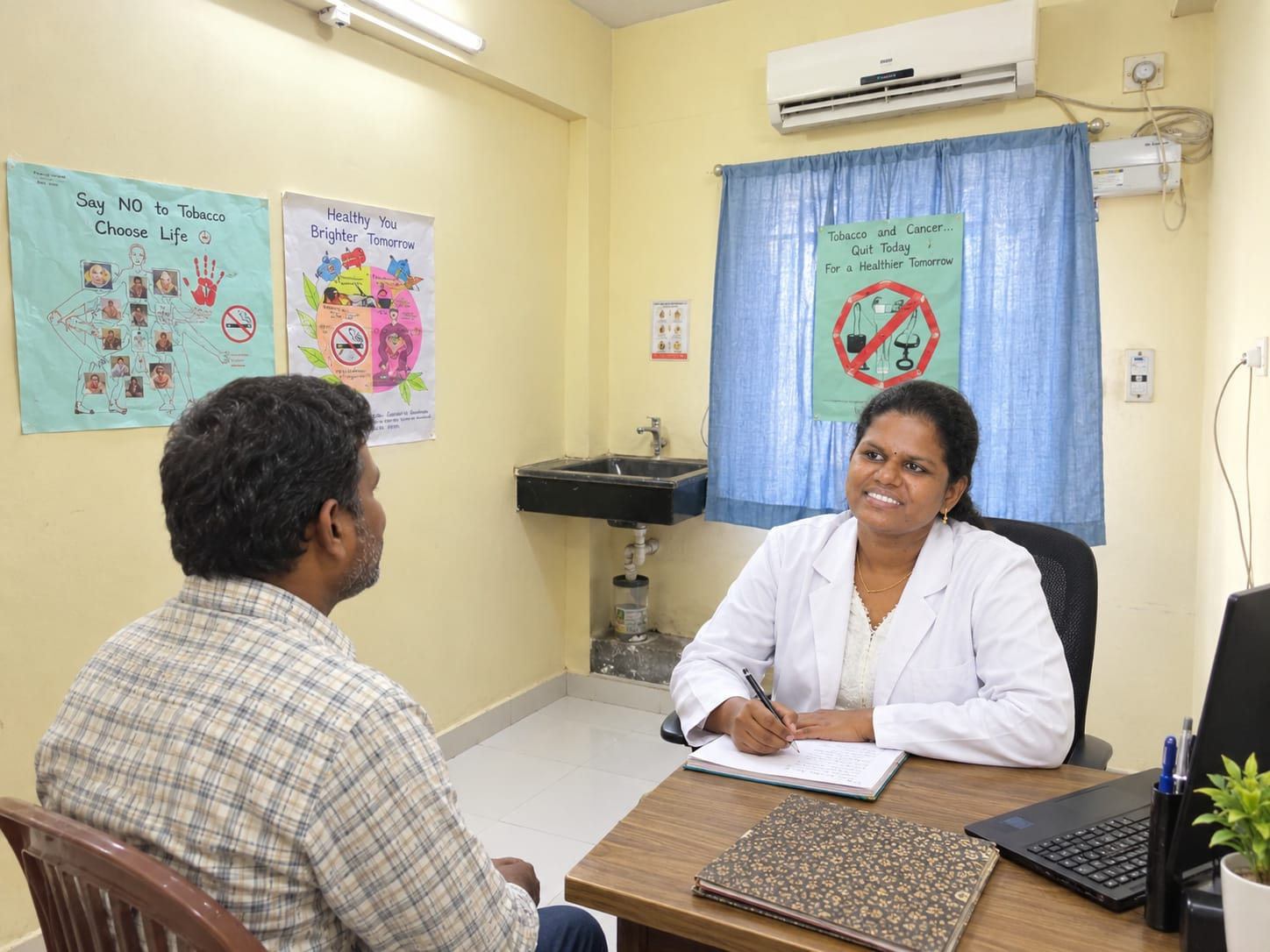
The Tobacco Cessation Clinic (TCC) provides cessation support to people who use tobacco, including patients with cancer, caregivers, and members of the general public.
Comprehensive Assessment
Tobacco-use history and related psychosocial and clinical factors.
Nicotine Dependence Management
Assessment of nicotine dependence using the Fagerström test for Nicotine Dependence.
Behavioural Counselling
Individualized cessation counselling, motivational counselling, and 5A's and 5R's-based interventions.
Craving & Withdrawal Support
Cognitive behavioural strategies, relaxation techniques, and craving management.
Pharmacological Support
Nicotine replacement therapy (NRT) and other clinically appropriate pharmacological approaches.
Relapse Prevention
Tobacco-related Information, Education and Communication (IEC) materials, continuing follow-up, and ongoing support.
STAY SUPPORTED, STAY TOBACCO-FREE
Tobacco Free Association (TFA)
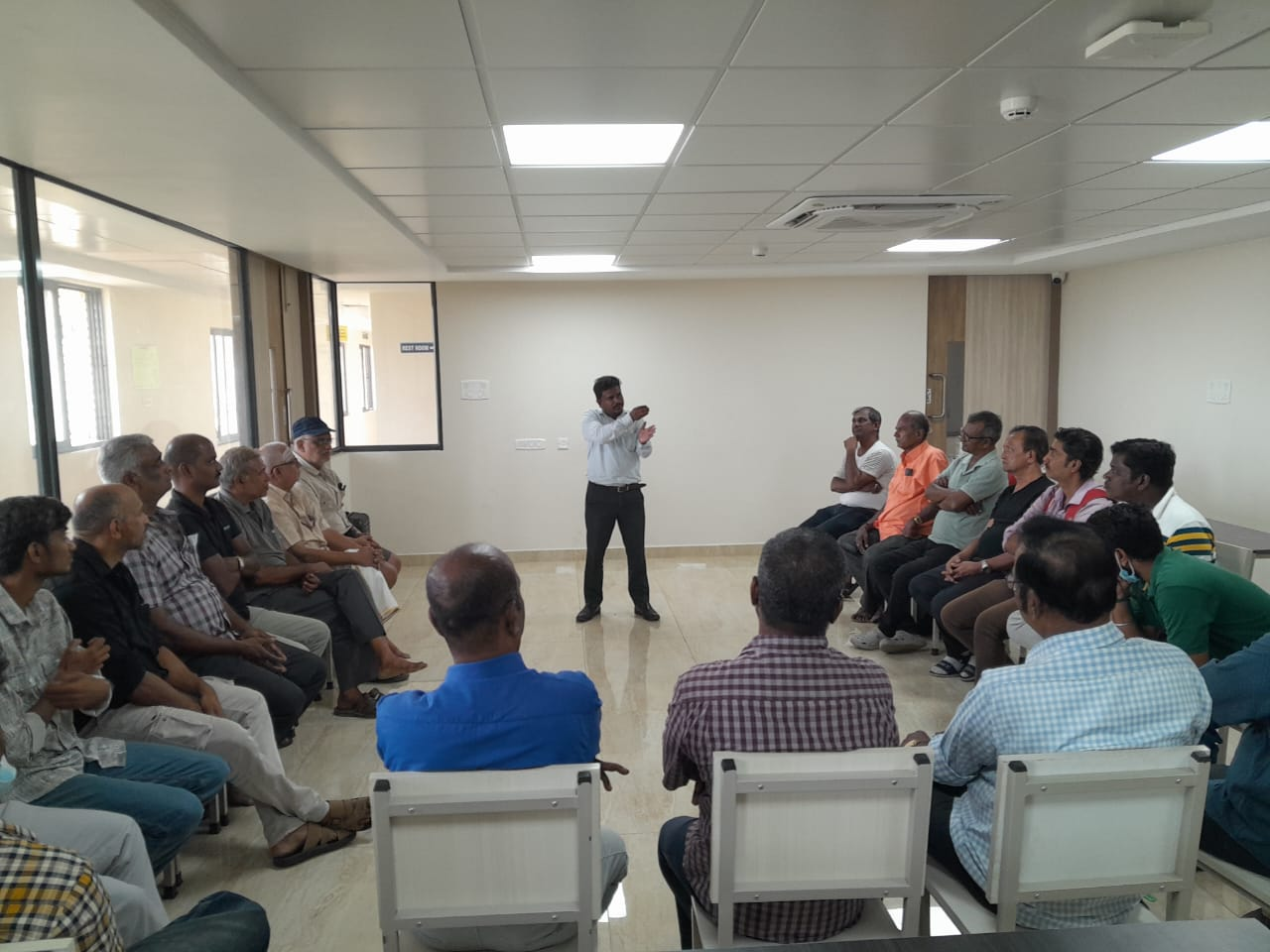
The Tobacco Free Association (TFA) provides continuing peer and professional support for individuals working towards sustained tobacco cessation. The programme provides a supportive environment for sharing experiences, strengthening coping skills, managing withdrawal symptoms and preventing relapse.
TFA activities include follow-up, group interaction, client-to-client support and oral cancer screening by a surgical oncologist.
Membership & Engagement
6 Months Tobacco-Free? Individuals who have successfully remained tobacco-free for six months or longer can become members of the Tobacco Free Association and continue to engage with its programmes and support network.
CONTINUING CARE AND DIGITAL SUPPORT
Support doesn't end when you leave the clinic.
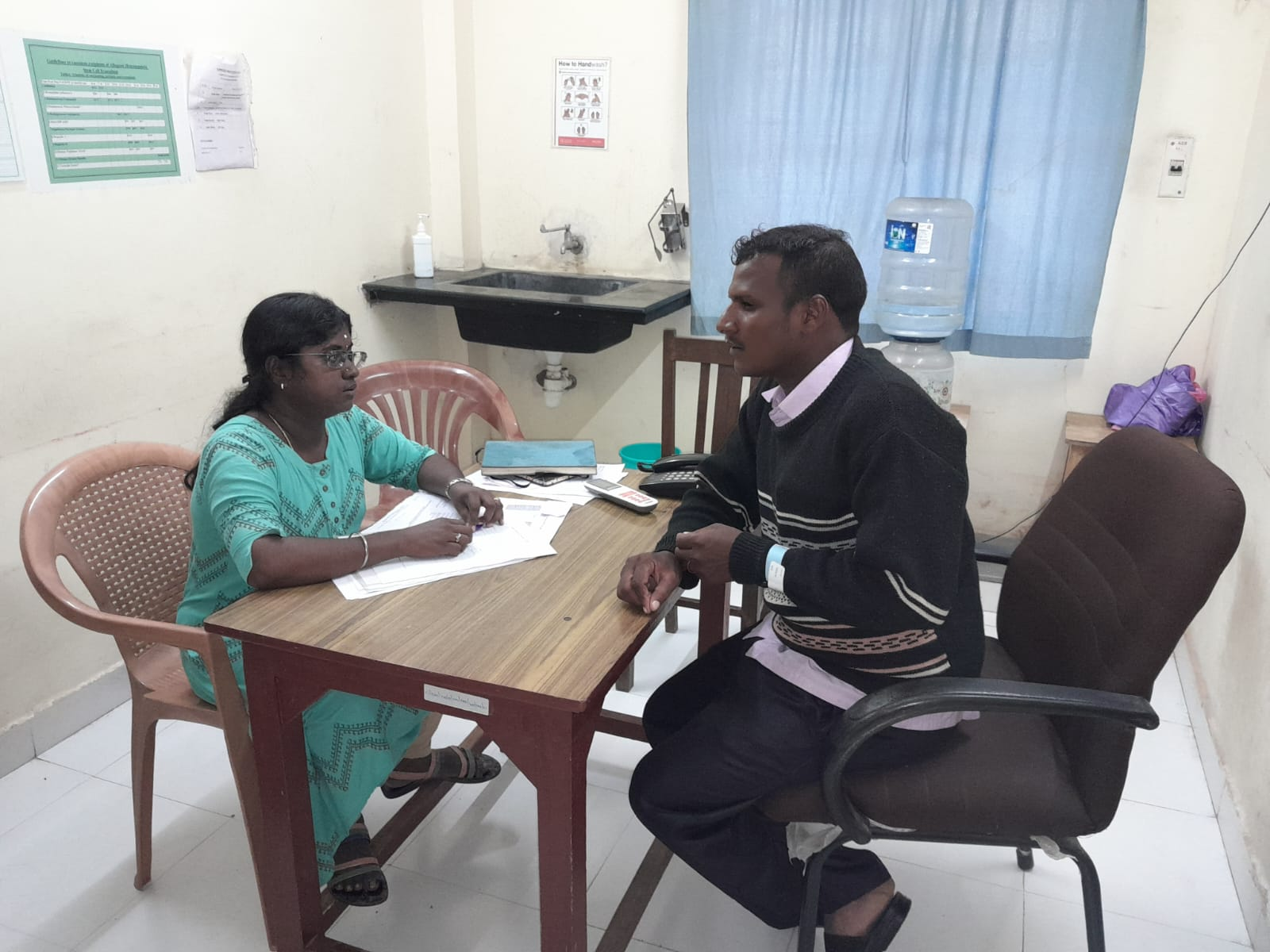
Sustained engagement is an important component of the Centre's cessation model. Follow-up is provided through direct visits and telephone contact, with follow-up schedules tailored to the individual's tobacco-use and cessation status.
The Centre also uses mobile-phone and WhatsApp-based communication to maintain contact with clients, provide information on tobacco-related health risks, benefits of quitting and management of withdrawal symptoms, and encourage participation in Tobacco Free Association meetings and awareness activities.
BEYOND THE CLINIC
Tobacco Control & Community Outreach
TCC's work extends beyond clinical cessation to population-level tobacco prevention and control. The Centre undertakes awareness and educational activities in schools, colleges and communities, using IEC materials and other outreach strategies to increase awareness of the health consequences of tobacco use and promote tobacco-free environments.
Tobacco-awareness and prevention programmes across schools, colleges, and communities.
Promotion of tobacco-free educational institutions and smoke-free environments.
Community-based tobacco-control initiatives and sensitization towards second-hand smoke.
Awareness campaigns and observance of tobacco-control-related events with IEC resource dissemination.
Active engagement with individuals, families, institutions, and community stakeholders.
PILLARS OF EXCELLENCE
Capacity Building, Research & Our Approach
PILLAR 01
Capacity Building and Professional Training
TCC contributes to strengthening tobacco-control capacity by promoting training and skill development among healthcare professionals. Competencies include tobacco-use and nicotine-dependence assessment, behavioural counselling, motivational interventions, withdrawal management, pharmacological approaches, patient education, and health-promotion practices.
PILLAR 02
Research and Evidence-Based Practice
The Centre integrates clinical practice, tobacco-control activities and research to strengthen evidence-based approaches to tobacco cessation, providing a foundation for service evaluation, research and continuous improvement.
PILLAR 03
Our Approach & Commitment
Towards a tobacco-free future through cessation, prevention, education, research and community action. We can help you quit. Contact us at 9361253392, (044) 22351615 (Direct), (044) 22350131 (Extn.189).
You don't have to do it alone.
Tobacco Cessation Clinic, Cancer Institute (WIA), Adyar, Chennai
(044) 2235 1615 (Direct)
(044) 2235 0131 (Extn. 189)