Resource Centre for Tobacco Control (RCTC)

Leading evidence-based tobacco control through cessation, prevention, research, and policy action.

Department overview

The Department of Resource Centre for Tobacco Control works to prevent and reduce tobacco use through structured cessation services, awareness programs, support group, research, and training initiatives. Tobacco use is one of the leading causes of cancer, heart disease, lung disease, and stroke. Our department supports individuals who wish to quit tobacco and provides scientific guidance to healthcare professionals, schools, and policymakers to strengthen tobacco control efforts.

Tobacco cessation services are a key priority under the WHO Framework Convention on Tobacco Control (FCTC), which calls upon healthcare systems to actively assist tobacco users in quitting. In India, national tobacco control efforts were strengthened with the establishment of the National Tobacco Control Programme, implemented by the Ministry of Health and Family Welfare in collaboration with the World Health Organization. Recognizing the urgent need for structured cessation support, Tobacco Cessation Clinics (TCCs) were initiated on a pilot basis across the country. In 2002, WHO supported the establishment of 13 TCCs in diverse healthcare settings, including cancer treatment centres, psychiatric hospitals, medical colleges, and non-governmental organizations. This network was later expanded to 19 centres, laying the foundation for organized tobacco cessation services in India.

Aligned with these national and global initiatives, tobacco cessation and control activities at the Cancer Institute (WIA) evolved as an essential component of comprehensive cancer care. As a significant proportion of cancers treated at the Institute are tobacco-related, systematic tobacco use assessment and cessation counseling were gradually integrated into routine oncology practice. Over time, structured tobacco screening, behavioral counseling, relapse prevention strategies, and patient education programs became part of frontline cancer services.

Today, the Resource Centre for Tobacco Control functions as a specialized department dedicated to tobacco cessation, prevention, research, and capacity building. In addition to clinical services, the department actively contributes to public health advocacy, healthcare professional training, community outreach programs, and tobacco related research. By integrating evidence-based cessation interventions into oncology care, the department plays a crucial role in improving treatment outcomes, reducing complications, and promoting tobacco free survivorship. 

The Resource Centre for Tobacco Control (RCTC) at Cancer Institute (WIA) is a specialized department dedicated to advancing tobacco cessation, prevention, research, and capacity building as part of comprehensive cancer care and public health. Tobacco use remains one of the leading preventable causes of morbidity and mortality, contributing significantly to cancers, cardiovascular diseases, chronic respiratory conditions, and stroke. Addressing tobacco use is therefore a critical priority in both cancer prevention and treatment outcomes.

The department works to prevent and reduce tobacco use through a multi-dimensional approach that includes:

  • Structured tobacco cessation services

  • Awareness and community outreach programs

  • Behavioral support and support group interventions

  • Research and evidence generation

  • Training and capacity building for stakeholders

RCTC provides direct support to individuals seeking to quit tobacco and offers scientific and technical guidance to healthcare professionals, educational institutions, and policymakers to strengthen tobacco control efforts.

Tobacco cessation services are a key priority under the WHO Framework Convention on Tobacco Control, which emphasizes the role of healthcare systems in actively supporting tobacco users to quit.

In India, tobacco control efforts were strengthened through the National Tobacco Control Programme implemented by the Ministry of Health and Family Welfare in collaboration with the World Health Organization. As part of this initiative:

  • Tobacco Cessation Clinics (TCCs) were introduced to provide structured cessation support

  • In 2002, WHO supported the establishment of 13 TCCs across diverse healthcare and community settings

This network later expanded to 19 centres, forming the foundation of organized tobacco cessation services in India

Aligned with national and global priorities, tobacco control activities at the Cancer Institute (WIA) have evolved as an integral component of cancer care.

Given the high proportion of tobacco-related cancers treated at the Institute:

  • Routine tobacco use assessment was integrated into clinical practice

  • Structured cessation counseling became part of oncology care

  • Behavioral interventions and relapse prevention strategies were implemented

  • Patient education and awareness initiatives were strengthened

This integration ensures that tobacco cessation is not treated as a separate service but as a core element of cancer management and survivorship care.

The Tobacco Cessation Centre (TCC), Chennai, was inaugurated on 19th December 2001 with the support of the World Health Organization and the Ministry of Health & Family Welfare, Government of India. Subsequently:

  • The centre was designated as a nodal centre for tobacco control

  • It was renamed as the Resource Centre for Tobacco Control (RCTC)

  • It expanded its role to provide technical leadership for tobacco control across South India

Today, RCTC functions as a full-fledged anti-tobacco centre supported by the Cancer Institute (WIA), delivering clinical, academic, and public health interventions

Today, RCTC stands as a centre of excellence integrating clinical care, research, training, and policy support. By embedding evidence-based tobacco cessation interventions into oncology services, the department:

  • Improves treatment outcomes

  • Reduces complications and recurrence risks

  • Enhances quality of life among patients and survivors

  • Promotes tobacco-free survivorship

RCTC continues to play a pivotal role in advancing tobacco control at institutional, state, and national levels, contributing to the broader goal of reducing the burden of tobacco-related diseases.

Innovative Public Health Initiatives

  • Implementation of youth-focused intervention programs demonstrating reduction in tobacco use

  • Advocacy for smoke-free public places, schools, and colleges

  • Training programs for traders, tobacco farmers, and stakeholders on tobacco control and alternative livelihoods

Institutional and Community Impact

  • Establishment of tobacco-free educational institutions, including Anna University and affiliated colleges

  • Creation of 854 tobacco-free institutions across Tamil Nadu

  • Promotion of tobacco-free villages and community environments

Capacity Building

  • 670+ healthcare professionals trained in tobacco cessation

  • Facilitation of 82 Tobacco Cessation Clinics (TCCs) across Tamil Nadu

RCTC continues to play a pivotal role in advancing tobacco control at the institutional, state, and national levels, contributing to the broader goal of reducing the burden of tobacco-related diseases.
Conditions we address

  • Tobacco Addiction & Severe Nicotine Dependence

  • Head and Neck Cancers (Oral Cavity, Pharynx, Larynx) in tobacco users

  • Lung Cancer & Thoracic Malignancies linked to smoking

  • Chronic Obstructive Pulmonary Disease (COPD) & Chronic Bronchitis

  • Cardiovascular Diseases, Coronary Artery Disease & Stroke risk

  • Second-hand Smoke Exposure Effects in families and children

Assessment & support

1. Tobacco Use History (CRF): Identifies duration, type, and frequency of tobacco use.

2. Nicotine Dependence Assessment (Fagerström Test)

Measures level of physical dependence on nicotine.

3. Motivational Assessment

Evaluates readiness to quit tobacco.

4. Carbon Monoxide (CO) Monitoring

Assesses recent smoking exposure.

5. Behavioral Risk Assessment

Identifies triggers and relapse risks.

6. Oral Screening

Early detection of tobacco related oral lesions.

Treatment & cessation options

  • Tobacco Cessation Counseling (Individual & Group)

  • Behavioral Therapy for Tobacco Dependence

  • Motivational Interviewing

  • Nicotine Replacement Therapy (NRT) as per MOHAFW Guidance

  • Pharmacotherapy Guidance (as per Psychiatrist prescription)

  • Relapse Prevention Programs

  • Community Awareness & Outreach Programs

  • Tobacco Cessation Support group

When to seek help

Warning Signs Requiring Immediate Medical Screening

  • Persistent mouth ulcer or lump lasting more than 3 weeks

  • White or red patches inside the mouth or on gums

  • Persistent cough lasting more than 3 weeks or coughing up blood

  • Hoarseness of voice or difficulty swallowing

Prevention & healthy living

Lifestyle Changes

  • Quit tobacco in all forms (smoking and smokeless)

  • Avoid exposure to second-hand smoke

  • Quit alcohol consumption

  • Maintain a healthy diet rich in fruits and vegetables

  • Engage in regular physical activity

Screening Recommendations

  • Regular oral screening for tobacco users

  • Low dose CT scan for long-term smokers (as advised by doctors)

  • Annual health check-ups for high-risk individuals

  • Counseling support for adolescents experimenting with tobacco

Warning Signs to Watch

  • Non-healing mouth ulcers

  • Persistent cough lasting more than 3 weeks

  • Hoarseness of voice

  • Difficulty swallowing

  • Unexplained weight loss

  • White or red patches inside the mouth

Clinics & facilities

Tobacco Cessation Outpatient Clinic

Dedicated specialized clinic providing confidential, one-on-one cessation consultations, behavioral counseling, and pharmacotherapy guidance.

Exhaled Carbon Monoxide (CO) Monitors

State-of-the-art biochemical monitors providing real-time feedback on exhaled carbon monoxide levels to track quitting progress.

Alternative Livelihood Skill Development Centre

Dedicated training facility empowering 1,209 beedi rollers with alternative vocational skills in tailoring, coir crafts, and wig making.

Mobile Application for Tobacco Cessation

Interactive mobile application currently under development to assist community members with daily quitting tips, craving trackers, and support.

Reach & impact

RCTC has made significant contributions across clinical care, public health, and capacity building:

  • 4,070+ individuals treated for nicotine dependence

  • Quit rate exceeding 30%, demonstrating effective intervention outcomes

  • 1,770+ awareness programs conducted across Tamil Nadu

  • Extensive dissemination of IEC materials reaching millions

Community engagement

Community awareness programme
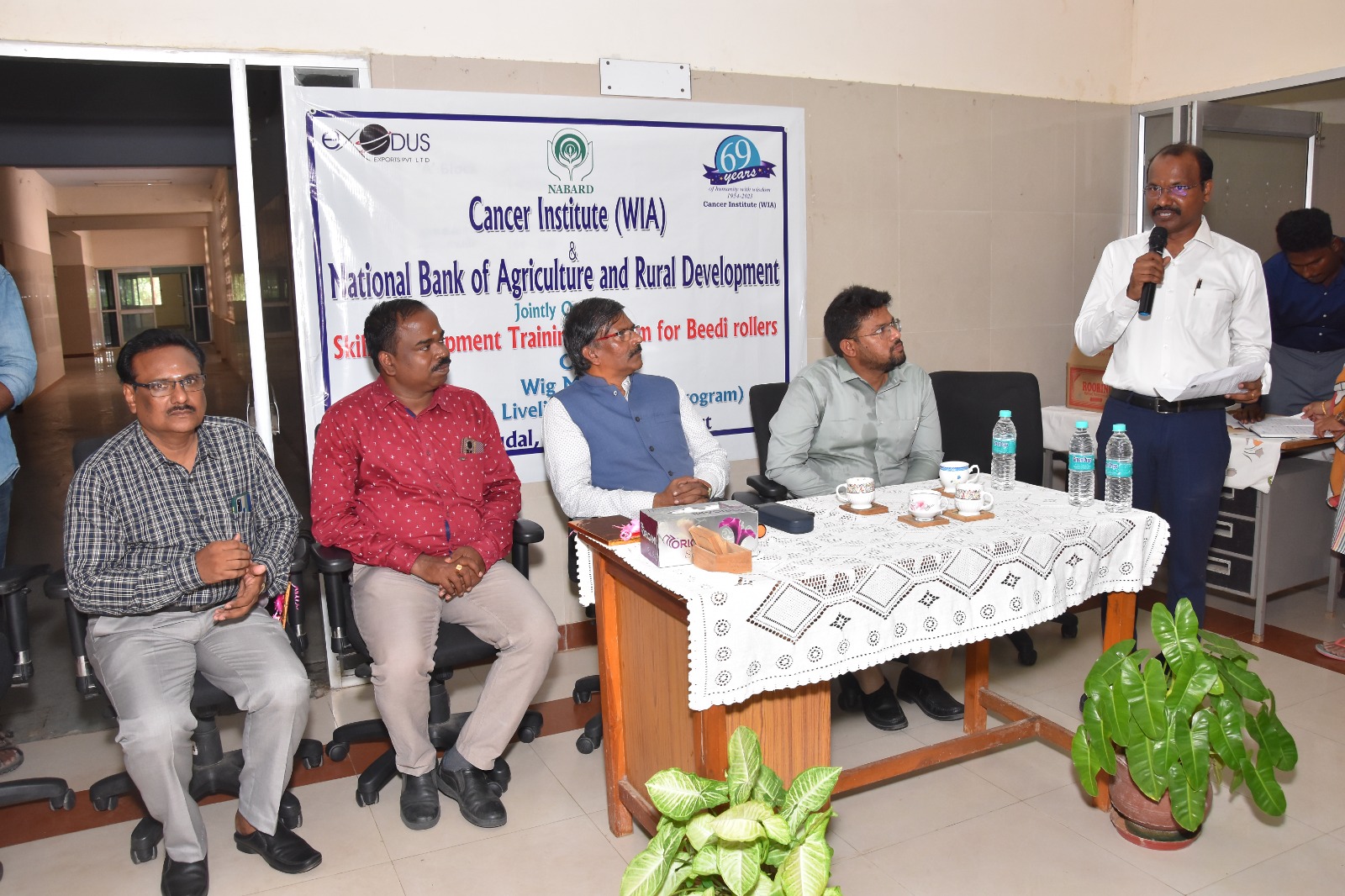
Skill development training programme for beedi rollers
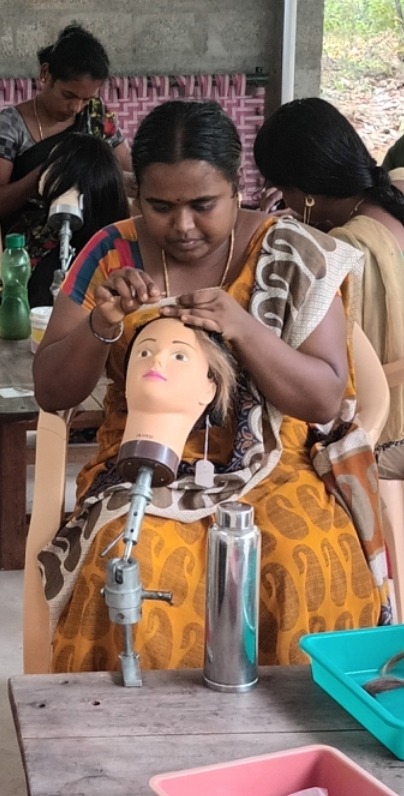
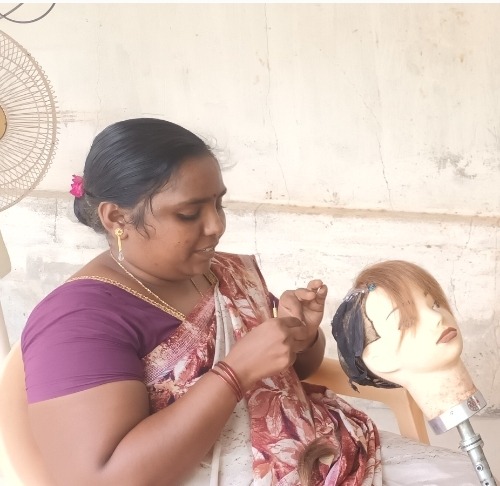
Wig making skill development training

Community Engagement

Awareness programs for school students

Awareness programmes on the prevention of non-communicable diseases (NCDs) are being conducted for school students from diverse communities in Chennai and Madurai from 2013 to the present. Following a community-based survey, students are educated about the harmful effects of tobacco, alcohol and other substance abuse. The programme also highlighted the importance of a healthy diet and regular physical activity, while explaining the link between unhealthy lifestyle choices and NCDs. Students are further oriented on the legal provisions related to tobacco consumption under the Cigarettes and Other Tobacco Products Act (COTPA), 2003. Through this sustained initiative, approximately 100,000 students have been sensitized to the importance of healthy lifestyle practices and the prevention of NCDs.

Awareness and intervention for tobacco selling shopkeepers

Awareness programmes are being conducted among tobacco-selling shopkeepers in various communities across Chennai and Madurai to promote compliance with the Cigarettes and Other Tobacco Products Act (COTPA), 2003. Signage boards highlighting the provisions of Sections 4 and 6A were installed at tobacco-selling shops, emphasizing the prohibition of smoking in public places and the restrictions on the sale and promotion of tobacco products. Through this initiative, more than 600 shopkeepers were sensitized and empowered to support tobacco-control measures and promote a healthier community.

Awareness programs for women

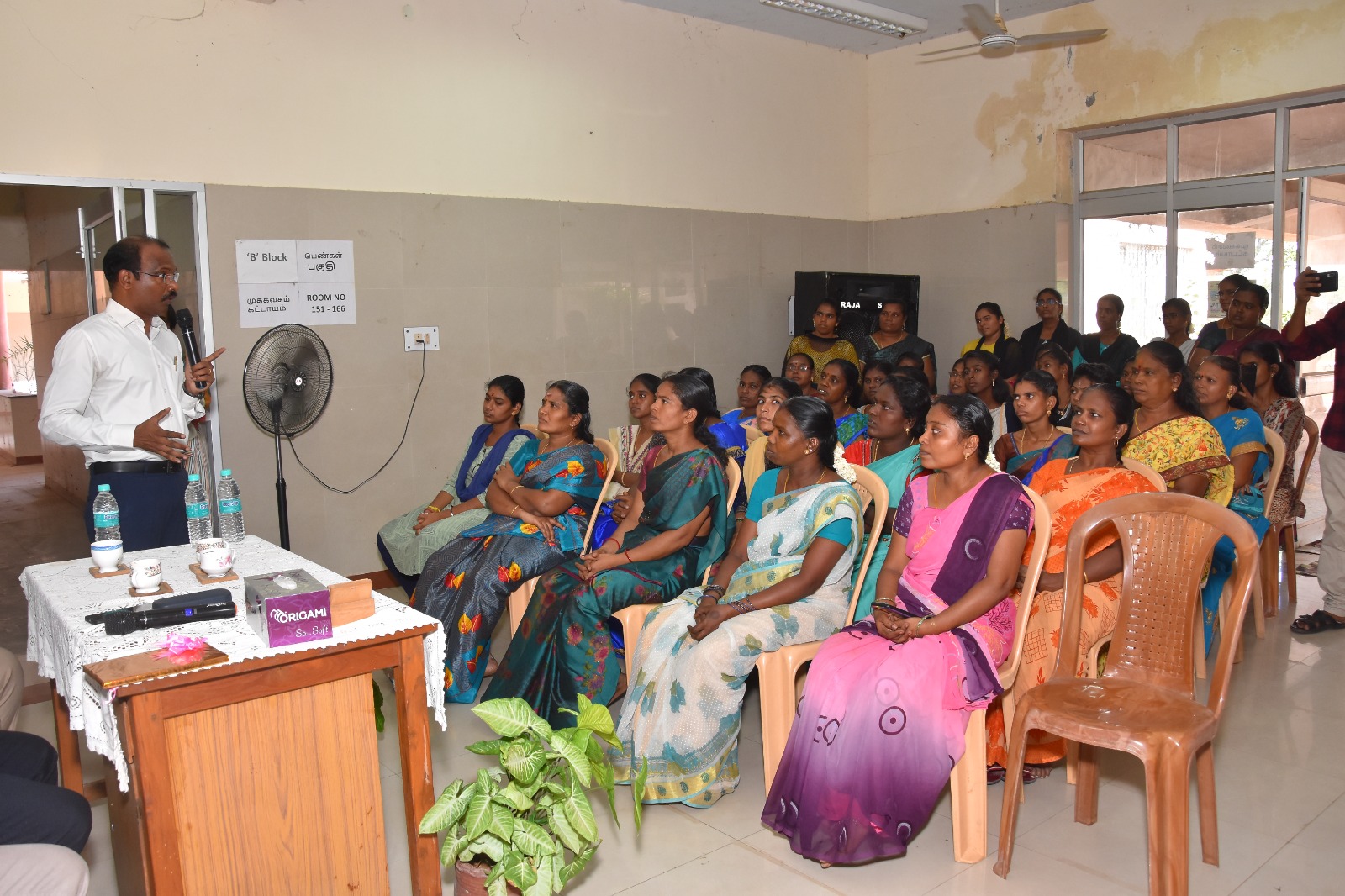
Women from selcted communities in Chennai were sensitized and screened for breast and cervical cancer through awareness programmes focused on the harmful effects of tobacco, healthy lifestyle practices, genital hygiene, and the importance of regular screening. The programme also addresses common myths and misconceptions about cancer, the benefits of early detection, and the warning signs and symptoms of breast and cervical cancer. In total, 5,000 women were sensitized and screened through this initiative.

Community-based lung cancer screening and tobacco cessation

Recognizing the need for accessible screening among high-risk populations, the Cancer Institute (WIA) has been organizing free lung cancer risk assessment and screening in the communities of Semmanchery, Kannagi Nagar, and Perumbakkam. The initiative primarily focuses on men aged 40 years and above who are at increased risk of lung cancer, particularly those with a history of tobacco use. Community-based screening helps identify individuals who may require further medical evaluation, while creating opportunities to address tobacco-related health risks at an early stage. Alongside screening, participants receive health education and tobacco cessation counselling, with individuals requiring further evaluation being referred for appropriate medical care.

Community-based oral cancer screening and tobacco cessation

Due to limited awareness and inadequate access to tobacco-cessation services, communities remain vulnerable to tobacco-related, life-threatening diseases. To address this concern, awareness and screening programmes were conducted among various communities in Chennai and Madurai. Through this initiative, more than 3,000 tobacco users were screened and informed about the health risks associated with tobacco use and the importance of quitting.

Initiatives & Events

Observing significant days

World No Tobacco Day

World No Tobacco Day is observed every year on 31 May to raise awareness about the harmful effects of tobacco use and to strengthen efforts towards a tobacco-free society. It is marked through a range of awareness, advocacy, prevention, and tobacco cessation activities including anti-tobacco rallies, community awareness campaigns, school programmes, IEC activities, and initiatives encouraging tobacco users to quit.

World Cancer Day

World Cancer Day is observed every year on 4 February to raise awareness about cancer prevention, early detection, treatment, and survivorship, while encouraging collective action towards a healthier future. It is marked through a range of awareness, advocacy, prevention, and community engagement activities, including walkathons, human chains, awareness campaigns, educational programmes, screening initiatives, and activities promoting healthy lifestyles and tobacco cessation.

National Cancer Awareness Day

National Cancer Awareness Day is observed every year on 7 November to raise awareness about cancer prevention, early detection, and the importance of timely care.

Youth Health Mela

The Youth Health Mela is a large-scale public health awareness initiative that brings together students and members of the public across Chennai. The event provides an interactive platform to learn about NCD prevention, healthy lifestyles, cancer awareness, tobacco control, nutrition, physical activity, and other important aspects of health and well-being. Through engaging awareness activities and health-focused initiatives, YHM aims to equip young people with the knowledge and confidence to make informed health choices and become advocates for healthier communities. The key focus areas include,

Substance Abuse Prevention (Tobacco and Alcohol)

Diet and Nutrition

Physical Inactivity and Exercise

Personal and Environmental Hygiene

The event features workshops, expert talks, exhibition stalls, food stalls, cultural event, competitions specially curated for school and college students. Since 2013, the Youth Health Mela has continued to serve as a platform for health education, prevention, and community engagement across Chennai.

Alternative Livelihood Training Programme for Beedi Rollers

Article 17 of the WHO Framework Convention on Tobacco Control (FCTC) emphasizes the importance of promoting economically viable alternatives to tobacco production. This approach aims to mitigate the adverse social and economic impacts on populations whose livelihoods depend on tobacco production.

Recent emphasis lies upon promoting economically viable alternatives to tobacco production as a way to prevent possible adverse social and economic impacts on populations whose livelihoods depend on tobacco production. One such sector is the beedi production in Tamil Nadu. In India, at least 4.5 million workers are employed in the bidi sector. According to Ministry of Labour and Employment, there are 509128 beedi rollers in Tamil Nadu. Although the large part of the workforce is home based, involving women and children, beedi manufacturing is considered highly labor intensive.

Cancer Institute (WIA), with support from HCL Foundation initiated various skill development training programs at Mukkudal, Tirunelveli as Phase I in association with the Labour Welfare Department, Government of India. The training programs were conducted at the Central Beedi Hospital, Mukkudal, Tirunelveli, at no cost to the beneficiaries. The training includes Coir products (Handicrafts) in collaboration with the Coir Board, Government of India, tailoring programs supported by the HCL Foundation and Wig making training supported by Skill India, NABARD and HCL Foundation. Training and employment for the wig making is provided by Exodus Pvt Ltd.


From January 2020 – January 2024, the beneficiaries of the skill development training program are summarised as follows.

SI.No

Skill Development Training

Beneficiaries

Supported by

1

Training on Coir products (Handicrafts)

20

Coir Board, Govt. of India

2

Tailoring

1020

HCL Foundation

3

Wig making

25

Tamil Nadu Skill Development Corporation

4

Wig making

60

NABARD

5

Wig making

84

Cancer Institute (WIA) & Exodus Exports Pvt. Ltd.

Total

1209

Efforts are underway to sustain these participants in alternative livelihoods. Similarly, 34 batches of tailoring training program, each with 30 participants, have been completed successfully. A total of 169 beedi rolling women have been trained on wig making by the Exodus Exports Pvt Ltd. To prevent workers from returning to beedi rolling during the training period, a stipend of INR 3,000 per head per month has been provided by the Coir Board, NABARD, and Skill India for the respective training programs.

In order to understand the effectiveness of these trainings, Cancer Institute conducted a survey among 148 trained women, which revealed that 106 successfully stopped engaging in beedi rolling, while 32 still continued to do so. Remaining 10 were not reachable due to various practical reasons. Of the 106, 24 women are working with the wig making unit while 11 have started tailoring at their homes. Nearly 33 women are now employed in different sectors ranging from cattle rearing to teaching. The remaining 38 women, although not currently employed in any sector, reported that they were neither interested nor willing to continue beedi rolling as well, as they are now well aware of the health consequences. This is achieved only by the repeated awareness, education and motivation by the Cancer Institute team, in the communities.

Benefits of this initiative

Through this initiative, those engaged in beedi rolling have gained awareness regarding the occupational health hazards and many have expressed their interest and willingness to shift to a healthy alternative livelihood. It is known and reported by the beneficiaries that while beedi rolling yielded them a revenue of INR 3000 per month, through this alternative livelihood e.g. wig making they are able to earn around INR 7000 - 8000 per month, which is aiding them financially as well. Further, the majority of the community residents stated that they did not want their children to be engaged in beedi rolling as an occupation, considering the impacts. This gained awareness, perceived healthy lifestyle in terms of improved sleep and food intake at the right time and financial benefits through sustainable job opportunities are the notable benefits of this program.

As an ongoing process, we are now proposing to inaugurate a skill development training program on coconut shell products, with a batch of 30 members, with support from NABARD. The training program will be facilitated by Porunai Eco Crafters, Tirunelveli. With this training program, we believe that the beneficiaries will benefit in terms of heightened income (around INR 8000 – INR 10000 per month), after the training program as the Porunai Eco Crafters have agreed upon providing sustainable jobs for the trainees.


Strengthening Tobacco Control

Enhancing Enforcement for Tobacco-Free Educational Institutions in Tamil Nadu:

The Cancer Institute (WIA), Adyar, Chennai, in collaboration with the State Tobacco Control Cell, Directorate of Public Health and Preventive Medicine, Government of Tamil Nadu, organized a Consultation Meeting for Tamil Nadu’s Enforcement Officials on strengthening tobacco control and enhancing enforcement for tobacco-free educational institutions on 11th March 2025. Special and inaugural addresses were delivered by Dr. R. Swaminathan and Dr. K. Krishnaraj, respectively, emphasizing the importance of strict enforcement of tobacco control measures. The sessions covered various aspects of tobacco control, including awareness on tobacco-related cancer incidence, health impacts of tobacco use, and strengthening enforcement under the Cigarettes and Other Tobacco Products Act (COTPA). Experts such as Dr. Aravind Krishnamurthy, Dr. T. Pravin, and Mr. Cyril Alexander discussed collaborative enforcement strategies, legal provisions, and best practices. The meeting concluded with the development of an action plan to reinforce enforcement efforts in educational institutions across Tamil Nadu, ensuring a safer and healthier environment for students. A total of 65 officials joined for this program.

Empowering NSS Leaders

Establishing YACC Clubs for Cancer Prevention and Tobacco-Free Educational Institutions

The Cancer Institute (WIA), Adyar, Chennai, in collaboration with the National Service Scheme (NSS), University of Madras, organized a sensitization and action program titled “Empowering NSS Leaders: Establishing YACC Clubs for Cancer Prevention and Tobacco-Free Educational Institutions” on 14th March 2025. The program commenced with an inaugural ceremony featuring a welcome address by Dr. V. Surendran, Professor and Head, Department of Psycho-oncology, Cancer Institute (WIA); a special address by Dr. Vaneeta Aggarwal, NSS Coordinator, University of Madras, Chennai; a keynote address by Dr. Kalpana Balakrishnan, Director, Cancer Institute (WIA); an inaugural address by Dr. K. Krishnaraj, Joint Director, Directorate of Public Health and Preventive Medicine (NCD/MTM) & State Tobacco Control Programme, Government of Tamil Nadu; and a vote of thanks by Dr. D. Sathish Kumar, Senior Medical Social Worker, Department of Psycho-oncology and RCTC, Cancer Institute (WIA), Chennai. The sessions focused on cancer awareness, prevention strategies, tobacco control, and the establishment of YACC clubs to empower student leadership in promoting cancer prevention and tobacco-free environments. The program concluded with lunch and certificate distribution

Tobacco Free Educational Institution-Tobacco Awareness Programme

We conducted a comprehensive follow-up intervention aimed at students aged 10 to 14 (Standard 6 to Standard 9), reaching a total of 5602 students across the 26 Corporation Schools in Madurai. The primary goal of this intervention was to raise awareness about the harmful effects of tobacco use. Engaged the students with interactive and fun play-way methods, including Snake and Ladder, Flash Cards, and Crossword Puzzles. These tools helped make the learning process enjoyable while delivering critical health messages. A key part of the program was strengthening Tobacco Monitoring Committees within schools. These committees are vital in supporting the creation of Tobacco-Free Schools in Madurai. Additionally, the program focused on educating students about the dangers of tobacco use, promoting healthier lifestyle choices, and fostering an environment where tobacco use is discouraged. We also emphasized the importance of creating a Tobacco-Free Educational Institution (ToFEI) by involving all stakeholders: teachers, parents, and local shopkeepers.

Lung Cancer Screening 

The objective is to enable early detection of lung abnormalities, including lung cancer, through low-dose computed tomography (LDCT) and clinical evaluation. The program will focus on high-risk populations, particularly those with a history of long-term tobacco use. Alongside screening, participants will receive tobacco cessation counseling and health education. This initiative seeks to reduce lung cancer-related morbidity and mortality by promoting early diagnosis and timely intervention

Mobile application for tobacco cessation. A mobile based application is being developed to assist tobacco users in the communities to quit.

Our Doctors

Dr. Surendran V

Dr. Surendran V

Professor and Head - Department of Psycho Oncology

View profile

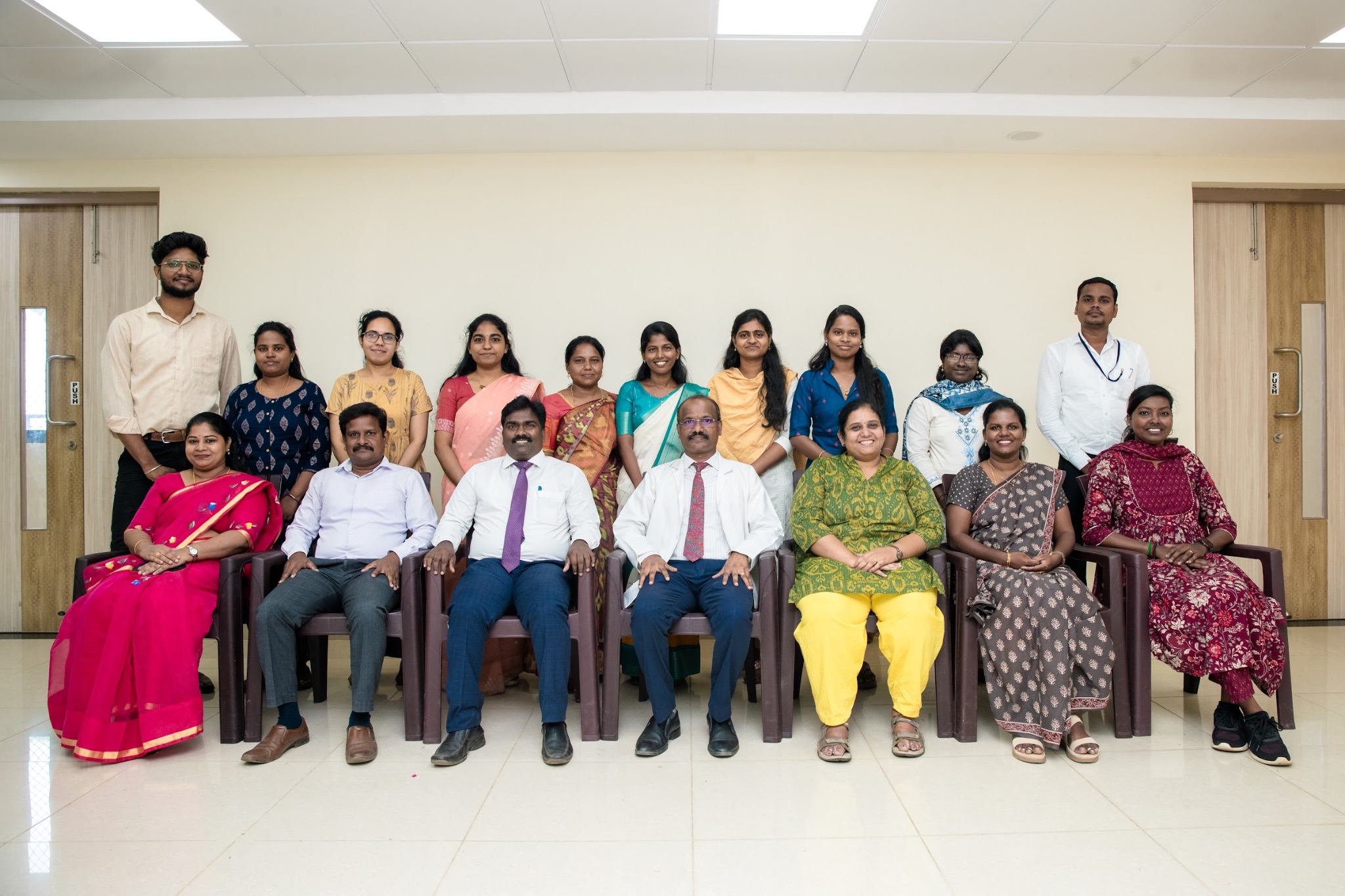
Our Team

Resource Centre for Tobacco Control (RCTC) at Cancer Institute (WIA)

Resource Centre for Tobacco Control (RCTC)

Related departmentPsycho-oncology