







Avoid all forms of tobacco (smoking, chewing paan/gutkha, or betel quid), as it is a major cause of head and neck, oral, and lung-related cancers.
Clinical department
SurgicalOncology
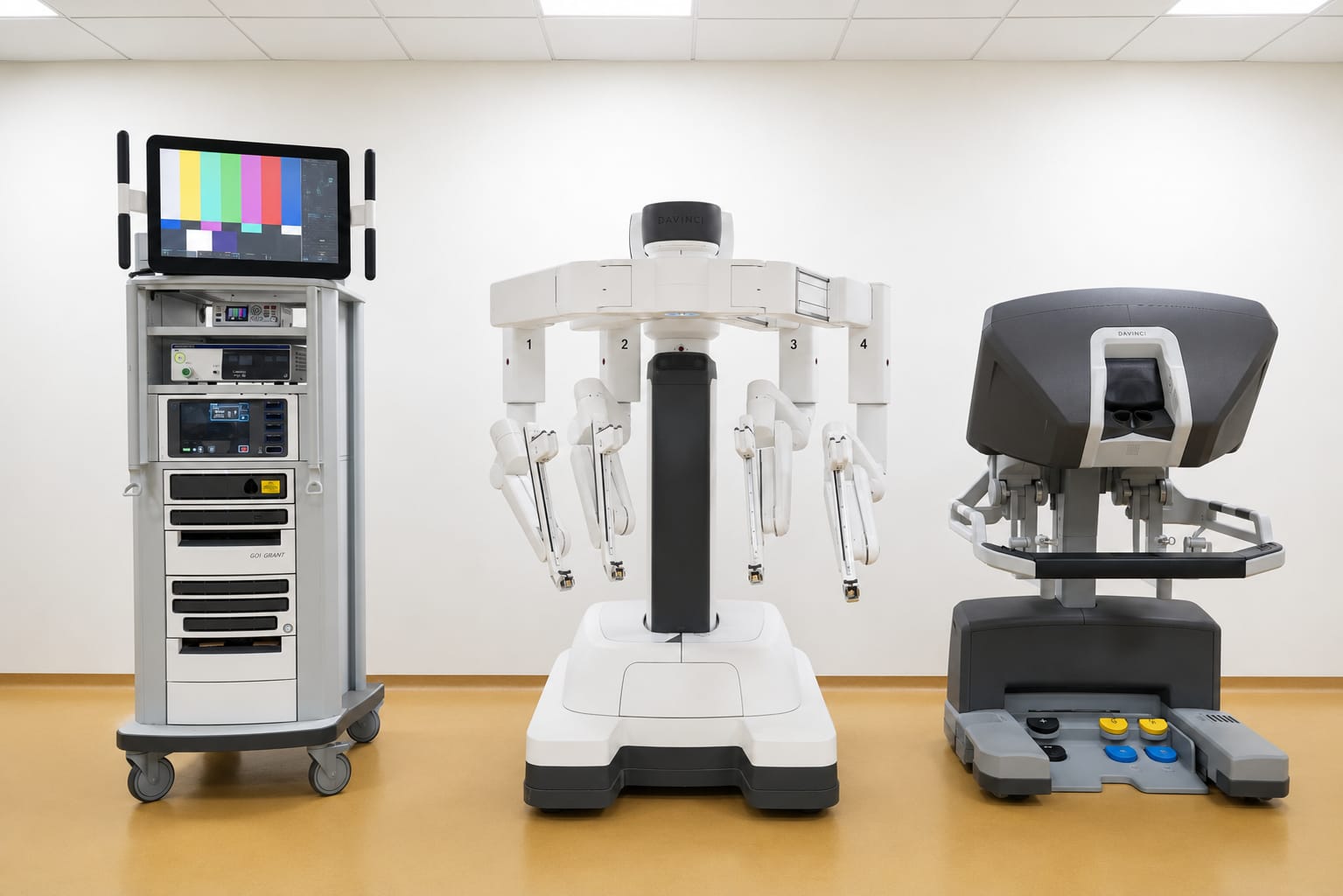
Surgical Oncology focuses on treating cancer using advanced precision surgery—incorporating robotic and minimally invasive techniques—to achieve optimal tumor removal while preserving form and function.
Department overview
The Surgical Oncology department at the Cancer Institute (WIA), Chennai, is a cornerstone of the institute's comprehensive cancer care. Established as part of India's pioneering comprehensive cancer center since 1954, surgical oncology here specializes in the surgical management of solid tumours including breast, thoracic, gastrointestinal tract, head and neck, gynecological sites, urological systems, musculo-skeletal and Neuro-oncology.
Advanced Surgical Approaches
Multidisciplinary Collaboration
Patient-Centered Care
Better Outcomes
It incorporates advanced minimally invasive and robotic approaches where appropriate, while emphasizing preservation of form and function to optimize patient quality of life. Surgical oncology is critically important because it provides the most effective means of local control and potential cure for many early and locally advanced solid cancers, significantly improving survival rates and offering symptom relief in advanced cases. At the Cancer Institute (WIA), the department supports holistic patient care through seamless multidisciplinary collaboration with medical oncologists, radiation oncologists, pathologists, radiologists, and palliative care teams. This integrated, patient-centered model ensures personalized treatment plans, reduced complications, faster recovery, and enhanced outcomes, all delivered with the institute's ethos of ethical, compassionate, and accessible care—particularly serving a large volume of patients from diverse socioeconomic backgrounds. The department's unique strengths lie in its status as a national leader in training and innovation: it introduced one of India's first MCh programs in Surgical Oncology in 1984 and continues as a premier training hub, with a large faculty mentoring 9 residents every year. It stays abreast of cutting-edge advances, offering endoscopic interventions, robotic surgeries, laparoscopic procedures, reconstructive techniques, and many complex operations across various sub-sites. High-volume experience, a commitment to organ preservation (e.g., limb salvage surgeries, breast conservation, sentinel node biopsies and functional reconstructions), active involvement in research and clinical trials, and a legacy of pioneering ethical multi-modality care make it a standout feature of this historic institution.
Message from the Head of Department
“The Surgical Oncology Department at the Cancer Institute (WIA), Adyar, Chennai, is guided by a clear and compassionate vision: to deliver world-class, ethical surgical care that gives every patient the best possible chance at cure, control of their disease, and a life of quality and dignity—regardless of background or resources. Building on our institute's legacy since 1954 as pioneers in comprehensive cancer care, we envision a future where advanced precision surgery, including minimally invasive and robotic techniques, combined with organ preservation and reconstructive approaches, helps eliminate unnecessary suffering from cancer. Our goal is to ensure that no one endures avoidable hardship from treatable or manageable disease, aligning with the institute's overarching vision that every individual deserves freedom from cancer's burden through prevention, early intervention, or effective treatment.”
Dr. Arvind KrishnamurthyDeputy Medical Director, Professor, Head - Surgical Oncology
Conditions we treat
- Breast cancer
Head and Neck cancer
Gynecological oncology cancer
Musculo-skeletal cancer
Neuro-oncology cancer
Treatments
Incorporating robotic and minimally invasive techniques to achieve optimal tumor removal while preserving form and function.
Treatment Options
Treatments
- Minimally Invasive Laparoscopic
- Thoracoscopic and Robotic surgeries
- Limb-salvage surgeries
- Isolated limb perfusion
- Breast oncoplastic surgeries sentinel node biopsies
- Cytoreductive surgeries with or without HIPEC/ HITOC, skull base surgeries
- Novel regional and microvascular reconstructions
- Parenchyma preserving lung resections and complex tracheal resections are routinely performed as indicated.
Prevention & early detection
Limit alcohol consumption, eat a balanced diet rich in fruits, vegetables, and whole grains, and maintain a healthy weight through regular physical activity (at least 30 minutes most days).
Practice safe habits
Get vaccinated against HPV (for prevention of cervical and many other cancers), use protection during sexual activity to reduce infection risks, and protect your skin from excessive sun exposure.
For women, breastfeeding (if applicable) can help lower breast cancer risk. Early detection dramatically improves outcomes by allowing for less invasive surgical options and better preservation of function. Be vigilant for warning signs and seek prompt evaluation at our institute or a healthcare provider.
Breast cancer
A lump or thickening in the breast/underarm, changes in breast shape/size, nipple discharge (especially bloody), or skin changes (dimpling/redness).
Head and neck/oral cancers
Persistent sores/ulcers in the mouth that don't heal in 2–3 weeks, white/red patches, difficulty swallowing, hoarseness lasting over weeks, unexplained neck lumps, or chronic ear pain.
Colorectal/gastrointestinal cancers
Changes in bowel habits (persistent diarrhea/constipation), blood in stool, unexplained abdominal pain, bloating, or unexplained weight loss.
Gynecological cancers
Abnormal vaginal bleeding (post-menopausal or between periods), unusual discharge, pelvic pain, or bloating. Follow these screening recommendations (tailored to Indian guidelines):
Breast cancer
Start monthly breast self-examination (BSE) from age 20; clinical breast exams (CBE) every 1–3 years from age 30–39, and annually thereafter; consider mammography from age 40–50 (discuss with your doctor based on risk).
Cervical cancer
Regular screening with Pap smear/HPV testing or visual inspection methods from age 30 (every 3–5 years as per guidelines).
Oral cancer
Regular oral visual inspection, especially if you use tobacco or have risk factors.
Colorectal cancer
Discuss fecal occult blood tests or colonoscopy starting around age 45–50, particularly with family history or symptoms. Self-care during or after treatment (including post-surgical recovery) focuses on supporting healing and well-being:
Follow your surgeon's wound care instructions
Keep incisions clean/dry, watch for signs of infection (redness, swelling, fever), and report any concerns immediately.
Manage nutrition
Eat small, frequent, protein-rich meals to aid recovery; stay hydrated and include fiber to prevent constipation (common after abdominal surgeries).
Stay active gently
Walk daily as tolerated to improve circulation and mood; avoid heavy lifting until cleared.
Attend follow-up appointments regularly for monitoring, and reach out to our multidisciplinary team (including palliative/supportive care) for pain management, emotional support, or rehabilitation needs.
When To Visit
When Should You Consult Us?
You should consider visiting or being referred to this department if you have been diagnosed with a solid tumor (or are suspected of having a solid tumor) or localized cancer that may require surgical management.
Common Subsites Include
- Breast cancer
- Gastrointestinal cancers — stomach, colorectal, liver, pancreas, etc
- Head and neck cancers
- Gynecological cancers — ovarian, cervical, endometrial
- Urological cancers
- Soft tissue sarcomas, bone tumors
- Skin cancer
- Thoracic cancers — lung, esophagus, etc

Facilities & capabilities
Da Vinci Xi Robotic System
HIPEC Machine
Laparoscopic Surgery Set
CUSA
APC
CO2 Laser
Operating Microscopes
C Arm
Ultrasonic Cutting device
Vessel sealer
Headlight High end suction machine
Infusion pump Laryngoscope with all blades
Colposcopes
Lower GI endoscope
Upper GI endoscope
Bronchoscopes
Thoracoscope Video
Video Bronchoscope
Laryngoscope Skill Laboratory
Neuro Navigation
Rubina Laparoscopy
ICG
Our Doctors
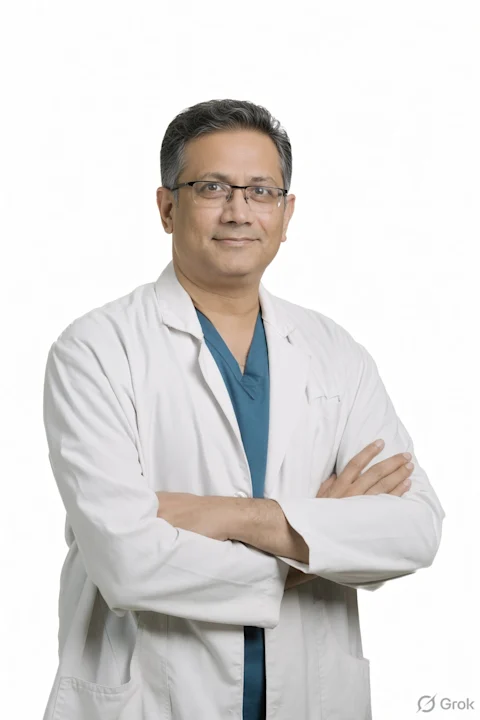
Dr. Arvind Krishnamurthy
Deputy Medical Director, Professor, Head - Surgical Oncology
View profile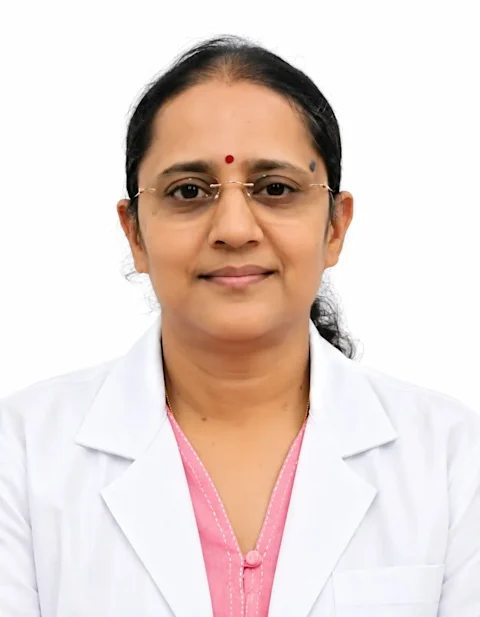
Dr. Sridevi V
Professor
View profile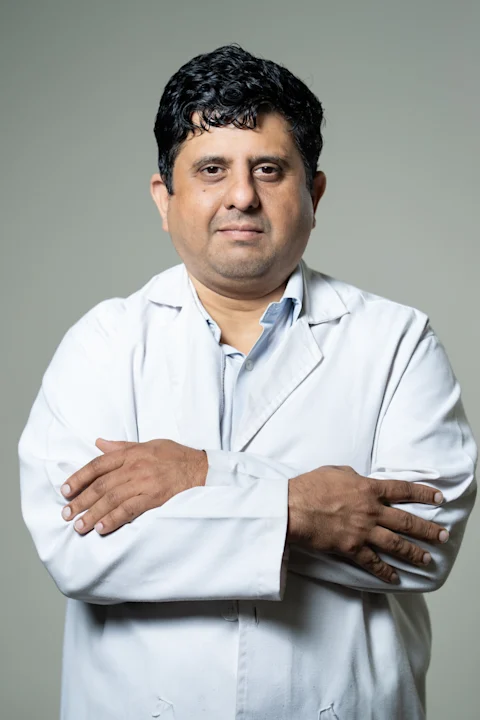
Dr. Anand Raja
Professor, Surgical Oncology
View profile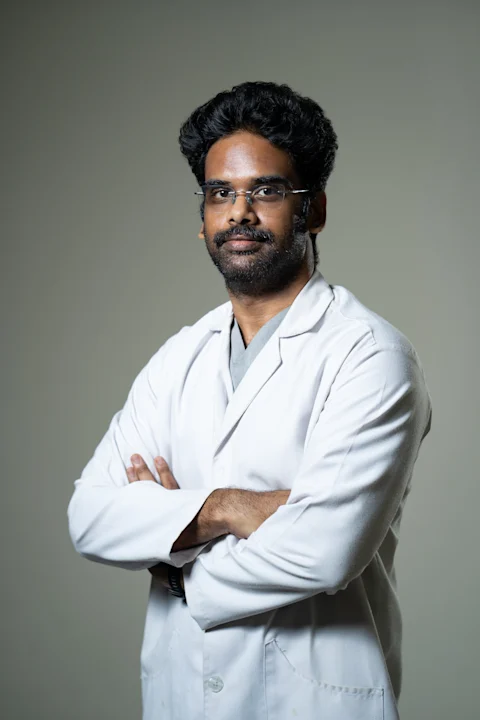
Dr. Chandra Kumar K
Associate Professor
View profile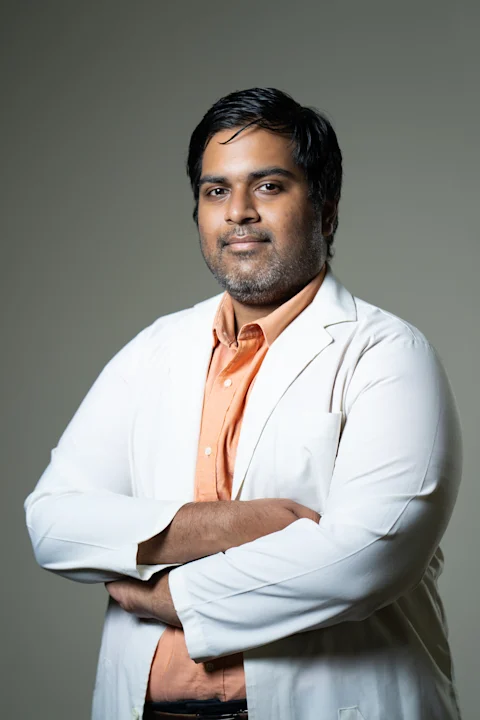
Dr. Balaji S
Associate Professor
View profile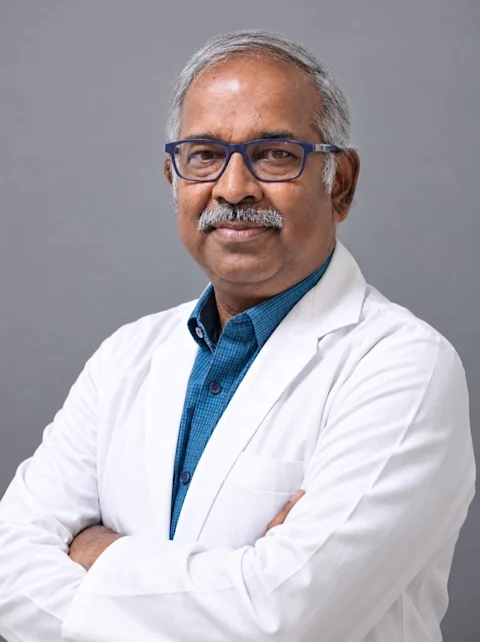
Dr. Viswamadesh R
Assistant Professor - Plastic & Reconstructive Surgery
View profile
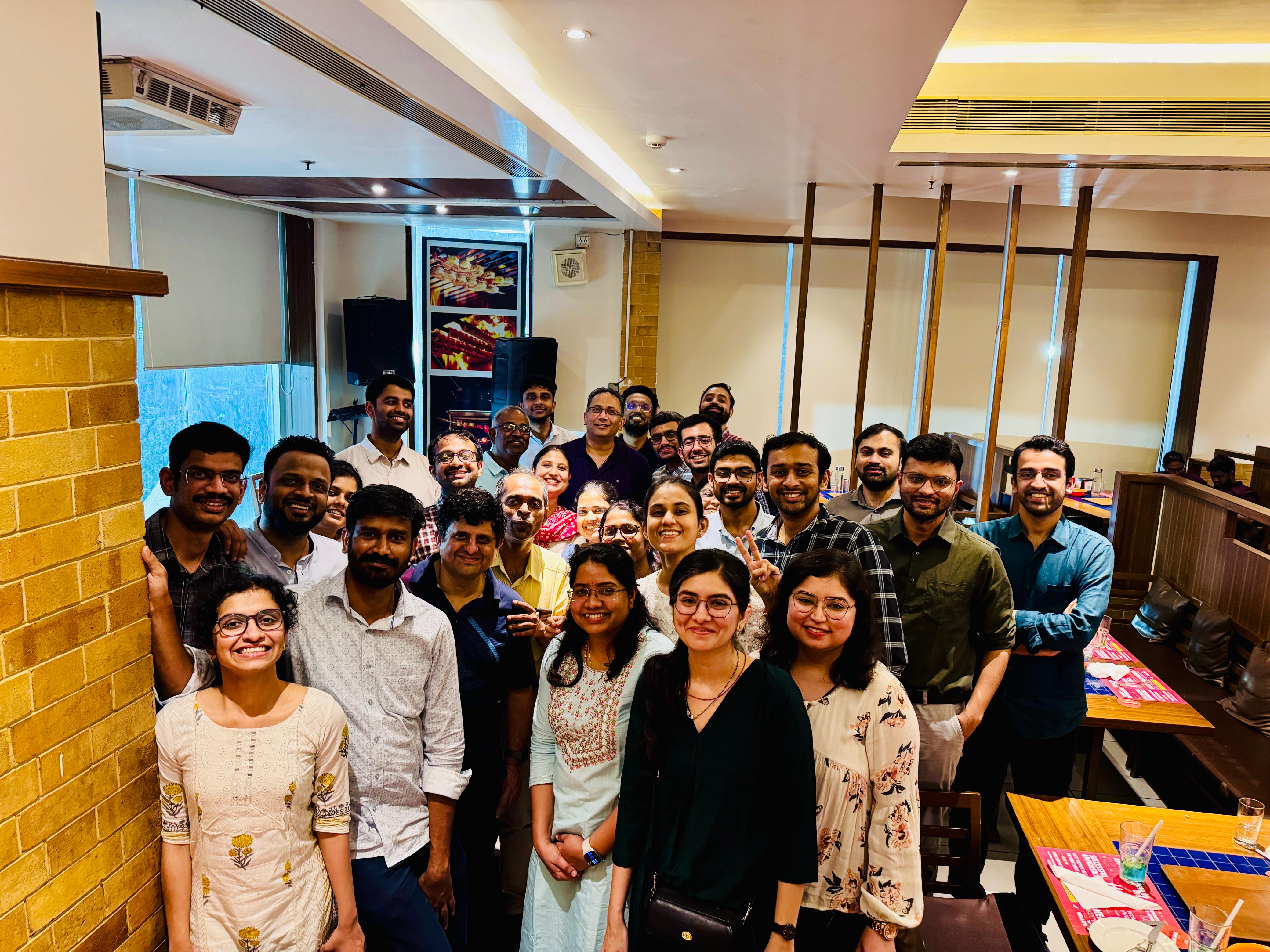
Our Team
Contact Surgical Oncology
Deputy Medical Director, Professor, Head - Surgical Oncology
Dr. Arvind Krishnamurthy
