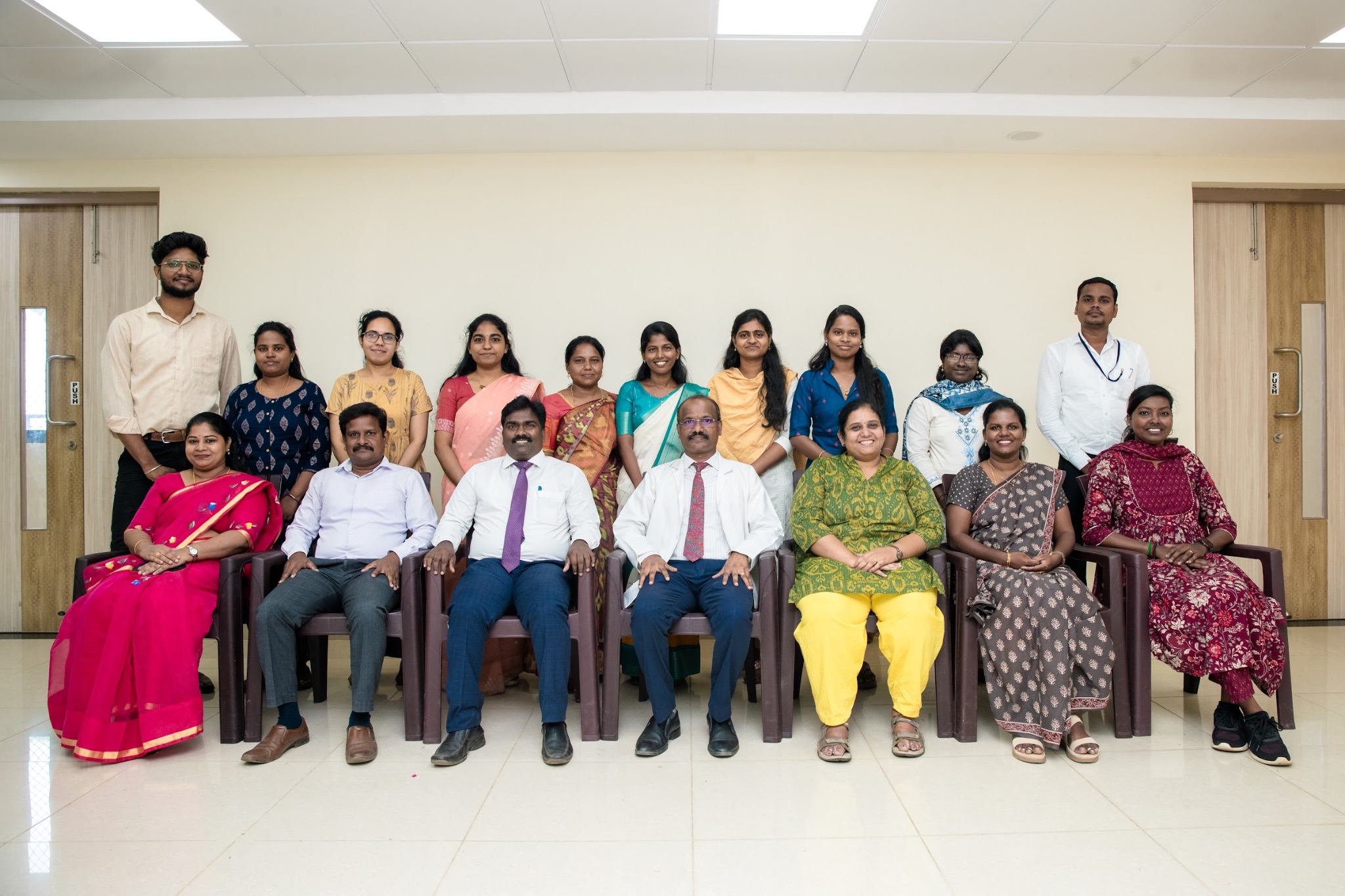
The Department of Resource Centre for Tobacco Control works to prevent and reduce tobacco use through structured cessation services, awareness programs, support group, research, and training initiatives. Tobacco use is one of the leading causes of cancer, heart disease, lung disease, and stroke. Our department supports individuals who wish to quit tobacco and provides scientific guidance to healthcare professionals, schools, and policymakers to strengthen tobacco control efforts.
Tobacco cessation services are a key priority under the WHO Framework Convention on Tobacco Control (FCTC), which calls upon healthcare systems to actively assist tobacco users in quitting. In India, national tobacco control efforts were strengthened with the establishment of the National Tobacco Control Programme, implemented by the Ministry of Health and Family Welfare in collaboration with the World Health Organization. Recognizing the urgent need for structured cessation support, Tobacco Cessation Clinics (TCCs) were initiated on a pilot basis across the country. In 2002, WHO supported the establishment of 13 TCCs in diverse healthcare settings, including cancer treatment centres, psychiatric hospitals, medical colleges, and non-governmental organizations. This network was later expanded to 19 centres, laying the foundation for organized tobacco cessation services in India.
Aligned with these national and global initiatives, tobacco cessation and control activities at the Cancer Institute (WIA) evolved as an essential component of comprehensive cancer care. As a significant proportion of cancers treated at the Institute are tobacco-related, systematic tobacco use assessment and cessation counseling were gradually integrated into routine oncology practice. Over time, structured tobacco screening, behavioral counseling, relapse prevention strategies, and patient education programs became part of frontline cancer services.
Today, the Resource Centre for Tobacco Control functions as a specialized department dedicated to tobacco cessation, prevention, research, and capacity building. In addition to clinical services, the department actively contributes to public health advocacy, healthcare professional training, community outreach programs, and tobacco related research. By integrating evidence-based cessation interventions into oncology care, the department plays a crucial role in improving treatment outcomes, reducing complications, and promoting tobacco free survivorship.
The Resource Centre for Tobacco Control (RCTC) at Cancer Institute (WIA) is a specialized department dedicated to advancing tobacco cessation, prevention, research, and capacity building as part of comprehensive cancer care and public health. Tobacco use remains one of the leading preventable causes of morbidity and mortality, contributing significantly to cancers, cardiovascular diseases, chronic respiratory conditions, and stroke. Addressing tobacco use is therefore a critical priority in both cancer prevention and treatment outcomes.
The department works to prevent and reduce tobacco use through a multi-dimensional approach that includes:
Structured tobacco cessation services
Awareness and community outreach programs
Behavioral support and support group interventions
Research and evidence generation
Training and capacity building for stakeholders
RCTC provides direct support to individuals seeking to quit tobacco and offers scientific and technical guidance to healthcare professionals, educational institutions, and policymakers to strengthen tobacco control efforts.
Tobacco cessation services are a key priority under the WHO Framework Convention on Tobacco Control, which emphasizes the role of healthcare systems in actively supporting tobacco users to quit.
In India, tobacco control efforts were strengthened through the National Tobacco Control Programme implemented by the Ministry of Health and Family Welfare in collaboration with the World Health Organization. As part of this initiative:
Tobacco Cessation Clinics (TCCs) were introduced to provide structured cessation support
In 2002, WHO supported the establishment of 13 TCCs across diverse healthcare and community settings
This network later expanded to 19 centres, forming the foundation of organized tobacco cessation services in India
Aligned with national and global priorities, tobacco control activities at the Cancer Institute (WIA) have evolved as an integral component of cancer care.
Given the high proportion of tobacco-related cancers treated at the Institute:
Routine tobacco use assessment was integrated into clinical practice
Structured cessation counseling became part of oncology care
Behavioral interventions and relapse prevention strategies were implemented
Patient education and awareness initiatives were strengthened
This integration ensures that tobacco cessation is not treated as a separate service but as a core element of cancer management and survivorship care.
The Tobacco Cessation Centre (TCC), Chennai, was inaugurated on 19th December 2001 with the support of the World Health Organization and the Ministry of Health & Family Welfare, Government of India.
Subsequently:
The centre was designated as a nodal centre for tobacco control
It was renamed as the Resource Centre for Tobacco Control (RCTC)
It expanded its role to provide technical leadership for tobacco control across South India
Today, RCTC functions as a full-fledged anti-tobacco centre supported by the Cancer Institute (WIA), delivering clinical, academic, and public health interventions
Today, RCTC stands as a centre of excellence integrating clinical care, research, training, and policy support. By embedding evidence-based tobacco cessation interventions into oncology services, the department:
Improves treatment outcomes
Reduces complications and recurrence risks
Enhances quality of life among patients and survivors
Promotes tobacco-free survivorship
RCTC continues to play a pivotal role in advancing tobacco control at institutional, state, and national levels, contributing to the broader goal of reducing the burden of tobacco-related diseases.
Innovative Public Health Initiatives
Implementation of youth-focused intervention programs demonstrating reduction in tobacco use
Advocacy for smoke-free public places, schools, and colleges
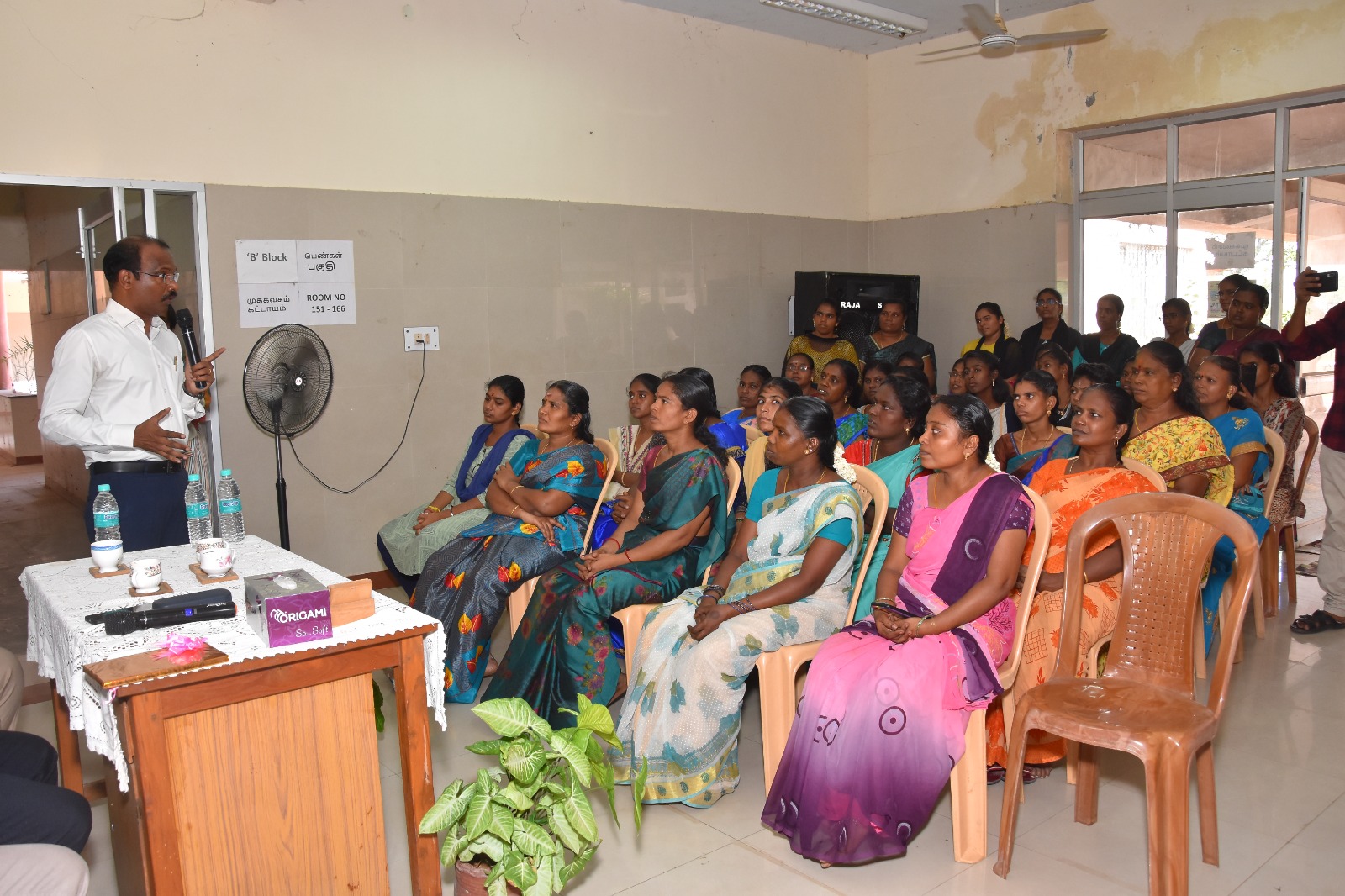
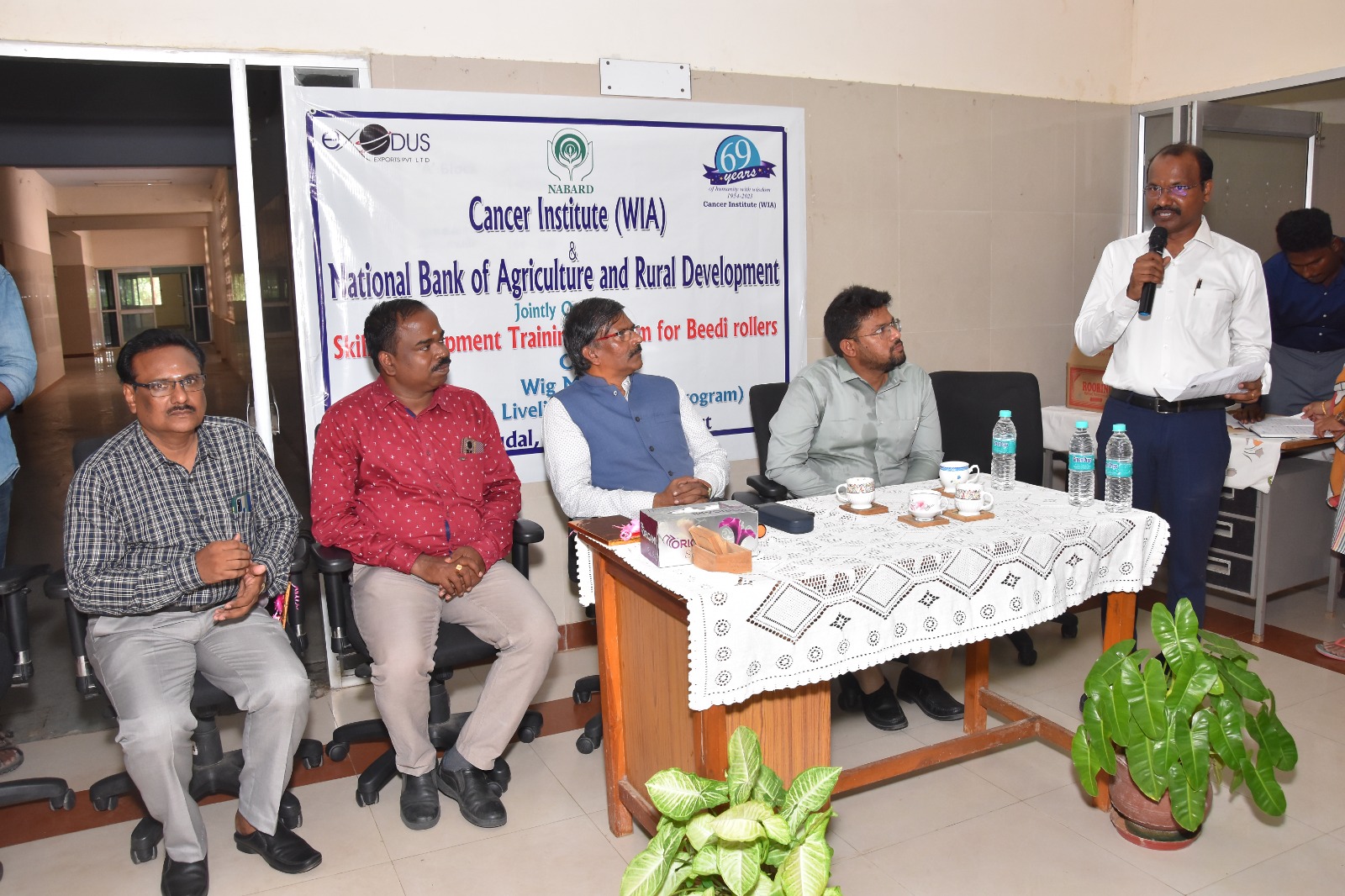
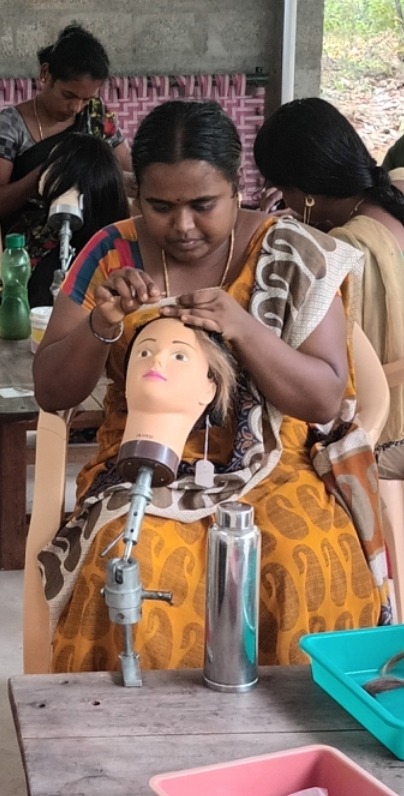
Training programs for traders, tobacco farmers, and stakeholders on tobacco control and alternative livelihoods
Institutional and Community Impact
Establishment of tobacco-free educational institutions, including Anna University and affiliated colleges
Creation of 854 tobacco-free institutions across Tamil Nadu
Promotion of tobacco-free villages and community environments
Capacity Building
RCTC continues to play a pivotal role in advancing tobacco control at the institutional, state, and national levels, contributing to the broader goal of reducing the burden of tobacco-related diseases.