Psycho Oncology

Addressing the psycho-social needs of cancer patients and their caregivers using evidence-based psychological interventions.

Department overview

The psychosocial service at Cancer Institute (WIA) began in 2001 and introduced distress screening for patients. In 2007, it became a full-fledged department with a team of psychologists providing psycho-oncological services.

The department was the first of its kind in a regional cancer centre in India. It provides psycho-social care for patients and families alongside academic training, including its PhD programme, which commenced in 2009, and the M.Phil in Psycho-Oncology, which began in 2010.

Mission & Philosophy

Mission

  • To provide evidence-based psychosocial care for patients and their carers across the cancer continuum.

  • To promote the need for psycho-social care in the cancer continuum, among health care providers, policy makers and other stakeholders

  • To spread the knowledge on psycho-oncology through quality training of Psychologists, Social workers and other healthcare providers.

  • To advance evidence-based psycho-oncology research that enhances the psychological and social aspects of the individuals affected by cancer through culturally sensitive, patient-centred interventions.

  • To advance national  and international  psycho-oncology research, which facilitates practice and policy changes

Vision

The vision of the department is an equal and accessible state-of-the-art psychosocial care for cancer patients, survivors and their carers across the country and optimized psychosocial training for healthcare professionals at national and international levels. Also, the department envisions tobacco-free generations/Nation, thereby reducing the tobacco-related health and disease burden.

Support through every stage

The Department of Psycho-Oncology provides comprehensive psychological and behavioural care to patients, survivors, and carers across the cancer continuum. In accordance with evidence-based guidelines formulated by the International Psycho-oncology Society (IPOS) and National Comprehensive Cancer Network (NCCN)

We commonly address the following psychosocial concerns throughout cancer continuum

At cancer diagnosis

  • Denial

  • Fear

  • Sleep Disturbance

  • Decision Making

During the Cancer Treatment

  • Addressing the psycho-social issues during

    • Chemotherapy

    • Radiotherapy

    • Surgery

  • Treatment-related anxiety and procedural distress

  • Psychiatric emergencies in liaison with psychiatrist

  • Treatment compliance

  • Treatment Refusal

Survivorship

  • Body image Concerns

  • Academic and occupational problems

  • Sexual dysfunction and intimacy concerns

  • Fertility-related distress

  • Social and role functioning difficulties

  • Long-term psychosocial adjustment in survivors

  • Neuropsychological Impact of cancer and cancer treatments

Palliative and End of Life

  • Anticipatory grief

  • Grief and bereavement reactions

  • Psychological suffering in advanced illness

Specific Symptoms and Conditions

  • Pain

  • Fatigue

  • Sexual Dysfunction

  • Chemo-induced Nausea and Vomiting

  • Adjustment difficulties

  • Suicidal thoughts

  • Procedural Anxiety

  • Delirium

  • Substance Use (Tobacco Cessation)

  • Posttraumatic Stress Symptoms

  • Cancer-related cognitive impairment (chemo brain)

  • Communication

  • Breaking the Bad News

  • Collusion

    • Shared Decision Making

    • Personal and interpersonal issues affecting illness adjustment

    • Caregiver burden and burnout

  • Fear related to diagnosis, treatment, or recurrence

  • Family functioning difficulties

  • Financial issues

Screening & assessment

The Department of Psycho-Oncology uses a validated, culturally appropriate, comprehensive, evidence-based, and multidisciplinary assessment framework to evaluate psychological, behavioral, neurocognitive, and psychosocial concerns among cancer patients, survivors, and caregivers. 

Commonly used tools

  • NCCN Distress Thermometer and Problem List

  • Paediatric Distress Thermometer

  • Mini-Mental Adjustment to Cancer (Mini-MAC)

  • Cancer Institute Quality of Life Questionnaire 

  • Pain Scales (Numerical Rating Scale / Visual Analog Scale)

  • Symbolic Assessment Fatigue Extent (SAFE) 

  • Fear of Cancer Recurrence Inventory (FCR-I)

  • Fear of Progression (FOP-revised)           

  • Mini-Mental State Examination (MMSE)

  • Functional Assessment of Cancer Therapy (FACT-G)

  • EORTC Quality of Life Questionnaire 

Other Psychological Tools

  • Patient Health Questionnaire (PHQ-9)

  • Generalized Anxiety Disorder Scale (GAD-7)

  • Depression Anxiety Stress Scales (DASS / DASS-21)

  • Beck Depression Inventory (BDI-II)

  • State–Trait Anxiety Inventory (STAI)

  • Impact of Event Scale – Revised (IES-R)

  • Connor–Davidson Resilience Scale (CD-RISC)

  • Perceived Stress Scale (PSS)

  • Multidimensional Scale of Perceived Social Support (MSPSS)

  • Behavioral Problems Check list

  • Addenbrooke’s Cognitive Examination-ACE

  • Wechsler Adult Intelligence Scale, Adapted Indian Version

  • Wechsler Intelligence Scale for Children, Adapted Indian Version

  • Wechsler Memory Scale, Adapted Indian Version

  • Raven’s Progressive Matrices (CPM, SPM, APM)

All instruments are administered and interpreted by trained psycho-oncology professionals, and results are integrated into a bio-psychosocial formulation to guide individualised, evidence-based intervention planning.

Therapies & interventions

The Department of Psycho-Oncology provides comprehensive, evidence-based psychological and behavioral interventions for patients, survivors, and caregivers across the cancer continuum. Psychological interventions are tailored based on standard assessment findings, disease stage, patient's family needs.

Psychotherapeutic Interventions
  • Psycho-education

  • Relaxation therapy

  • Cognitive-behavioral Interventions

  • Art Therapy

  • CALM therapy

  • Virtual Reality therapy

  • Stress Management

  • Motivational Counselling

  • Parent guidance and parenting support in pediatric oncology

  • Cognitive rehabilitation and retraining programs

  • After Completion Therapy (ACT) 

  • Crisis intervention    

  • Tobacco Cessation

  • Grief and Bereavement therapy

When to seek help

When to Contact Psycho-Oncology Services

Patients, families, or clinicians should contact the Psycho-Oncology team if any of the following are present:

When to Seek Help

Psychological warning signs

Seek psycho-oncology referral if any of the following persist:

  • Psycho-social Distress 

  • Persistent sadness 

  • Loss of interest

  • Feeling anxious,

  • Panic, or worry

  • Disturbed Sleep 

  • Mood disturbance

  • Feelings of loneliness

  • Irritability or behavioural issues

  • Memory, attention, or confusion problems

  • Any suicidal thoughts or self-harm behaviour

  • Family conflict or communication breakdown

  • Caregiver burnout

  • Grief, bereavement, or existential distress

  • Tobacco dependence 

Patients, caregivers, or treating teams are encouraged to seek Psycho-Oncology services whenever emotional, behavioral, cognitive, or coping difficulties interfere with cancer care or quality of life. Concerning the department referral guidance, patients should be referred when they are distressed, anxious, fearful, unable to process the diagnosis, concerned about treatment, reporting suicidal thoughts, or having tobacco/substance use history.

For Patients

  • “Distress interfering with treatment adherence

  • Anxiety, depression, or mood disturbance

  • Poor coping or low resilience

  • Sleep disturbance related to cancer stress

  • Fear of recurrence or treatment

  • Neurocognitive complaints

  • Body image or sexuality concerns

  • Tobacco use or relapse risk”      

For Caregivers and Families

  • Caregiver burnout or emotional exhaustion

  • Difficulty in communicating with the patient

  • Family conflict around treatment decisions

  • Anticipatory grief or bereavement distress

  • Difficulty supporting pediatric patients

For Treating Teams (Clinical Triggers)

  • Distressing to cancer treatment 

  • Non-adherence due to psychological factors

  • Behavioral disturbance in ward

  • Pre-BMT psychological Counseling

  • Complex decision-making distress

  • End-of-life psychosocial needs

Emergency Situations — Immediate Referral

Urgent psycho-oncology/psychiatry consultation is required for:

  • Suicidal ideation or attempt

  • Acute delirium or severe confusion

  • Severe agitation or risk to self/others

  • Sudden major behavioural change

Early psycho-oncology referral improves treatment compliance, quality of life, caregiver outcomes, and overall cancer care experience.

Self-care & well-being

Psychological Well-Being & Emotional Self-Care

  • Practice daily deep breathing exercises, yoga, and meditation.

  • Maintain structured daily routines for sleep, meals, and physical activity.

  • Stay socially connected with family, peers, and support groups.

  • Limit exposure to distressing or unverified medical information online.

Tobacco & Substance Prevention (Evidence-Based Do’s)

  • Avoid tobacco in any form (smoking, chewable beedi, gutkha).

  • Avoid alcohol consumption to prevent cancer recurrence.

  • Seek professional tobacco cessation counseling at our RCTC clinic.

  • Protect yourself and family members from second-hand smoke.

Support groups & rehabilitation

Support group meetings

Cancer support groups are gatherings of individuals affected by cancer, including patients, survivors, caregivers, and loved ones. These groups come together to share experiences, offer emotional support, exchange information, and provide encouragement. Meeting regularly, they are often facilitated by healthcare professionals, Counselors, or trained volunteers.

The primary purpose of cancer support group meetings is to create a safe and supportive environment where participants can openly discuss their thoughts, feelings, and concerns related to cancer. These meetings offer a platform for exchanging practical information about cancer treatment options, side effects, coping strategies, and resources available in the community. Participants can learn from each other's experiences and gain valuable insights into managing the various aspects of cancer care.

Support groups foster a sense of community and belonging, helping individuals feel less isolated in their journey. They provide emotional relief, reduce anxiety, and empower participants with knowledge and support. By attending these meetings, individuals can build connections, find hope, and develop effective ways to navigate their cancer journey.

Join our cancer support group meetings to connect with others who understand what you're going through and to receive the support you need.

Name of the support group meetings, schedules and timings

Support Group

Scheduled day

Timings

Pre-Radiation Therapy - Gynaecology

Every Saturday

10.30 a.m. - 12 p.m.

Pre-Radiation Therapy - Head & Neck (Female)

Alternate Tuesdays

10.30 a.m. - 12 p.m.

Pre-Radiation Therapy - Head & Neck (Male)

Alternate Tuesdays

10.30 a.m. - 12 p.m.

Pre-Chemo meeting

Every Thursday

10.30 a.m. - 12 p.m.

Stoma support group meeting

Alternate Wednesdays

10.30 a.m. - 12 p.m.

Dr. Muthu Lakshmi Reddy women support group

Last Saturday of every month

11 a.m. - 12.30 p.m.

SMILE support group for Paediatric Cancer Patients

Every Wednesday (Weekly) & 2nd Saturday (Monthly)

Wednesday: 11 a.m. - 12 p.m. | Saturday: 10.30 a.m. - 12 p.m.

Details of support group meetings are given below.

Pre-Radiation Therapy Support Group – Gynaecology

Schedule: Every Saturday | Time: 10:30 a.m. – 12:00 p.m. | Venue: Female Gynec ward, Dr. Shanta Campus

Pre RT Support group aims to offer psychological preparation and peer support for women diagnosed with gynaecological cancers who are about to undergo radiation therapy. The sessions focus on understanding the treatment process, managing fears, promoting treatment adherence, and fostering emotional resilience. Patients are encouraged to share their concerns and build coping strategies with guidance from mental health professionals. The pre Radiation meeting is facilitated by Radiation Oncologist, Psycho Oncologist, and Dietician. The Radiation Oncologist addresses radiation related side-effect concerns to the patients and caregivers to manage those side effects during treatment. The Psycho Oncologist provides psycho education and addresses the concerns pertaining to the psychosocial issues to cope with treatment effectively. The dietician addresses the diet related concerns of gynaecological cancer patients during radiation.

Pre-Radiation Therapy Support Group – Head & Neck (Female)

Schedule: Alternate Tuesdays | Time: 10:30 a.m. – 12:00 p.m. | Venue: Female General Ward, Dr. Shanta Campus

This support group is designed to empower female patients undergoing radiation therapy for head and neck cancers. The Psycho oncologist sessions address body image concerns, stigma related to the disease, communication difficulties, changes in appearance and nutrition, and treatment-related anxiety to the Female, Head & Neck Cancer patients receiving radiation as primary treatment. The support group facilitates emotional expression, self-care practices, and solidarity among participants. Oncologists address the radiation related concerns of the patients. The dietician provides dietary guidance to the patients during treatment.

Pre-Radiation Therapy Support Group – Head & Neck (Male)

Schedule: Alternate Tuesdays | Time: 10:30 a.m. – 12:00 p.m. | Venue: Male General Ward, Dr. Shanta Campus

This support group caters specifically to male patients preparing for radiation therapy for head and neck cancers. It provides a platform to discuss treatment side effects, swallowing and speech difficulties, and psychological challenges unique to male patients. The sessions also include relaxation techniques and motivational discussions to enhance coping and treatment compliance facilitated by the Psycho Oncologist. The Radiation Oncologist addresses the possible side effects of radiation therapy to the male patients of Head and Neck Cancers. The dietician facilitated the diet concerns presented by the patients.

Pre-Chemotherapy Support Group

Schedule: Every Thursday | Time: 10:30 a.m. – 12:00 p.m. | Venue: Chemotherapy Day Care Centre, Dr. V. Shanta Campus

This support group is designed for patients initiating chemotherapy; this group educates participants on chemotherapy protocols, anticipated side effects, and coping strategies. The Psycho Oncologist facilitates the meetings to alleviate anticipatory anxiety and promote emotional readiness related to chemotherapy. Pre Chemo Support group aims to improve Peer interactions and through professional guidance and prepare patients for the psychological and physical demands of systemic treatment. Oncologists provide information on chemotherapy related toxicities and guide them in order to manage the side effects effectively during treatment. Dietitian addresses the diet concerns of the patients about to receive chemotherapy.

Stoma Support Group

Schedule: Alternate Wednesdays | Time: 10:30 a.m. – 12:00 p.m. | Venue: Seminar Hall/M.Phil Class Room, Dr. S.K Campus

This group provides ongoing psychosocial support to patients with a colostomy or ileostomy following colorectal cancer surgery. The support group discussions revolve around body image issues, stoma care, lifestyle adjustments, and restoring confidence. The sessions are guided by psycho-oncologists, stoma care nurses, and stoma survivors/peer mentors with lived experiences. Treating Oncologist addresses the postoperative stoma related concerns. Stoma Care nurse provides guidelines on effective stoma care during survivorship. Psycho Oncologist addresses the body image concerns, social stigma, myths and misconception associated with cancer.

Dr. Muthulakshmi Reddy Women’s Support Group – Breast Cancer

Schedule: Last Saturday of every month | Time: 11:00 a.m. – 12:30 p.m. | Venue: Female General Ward, Dr. S.K Campus

This monthly gathering supports women diagnosed with breast cancer through psycho-educational discussions, experience-sharing, and group counselling. As a part of support group activity, Psycho oncologist addresses the following areas of concerns such as managing changes in body image, sexuality, family roles, survivorship, and returning to daily life. The group fosters a strong sense of sisterhood and empowerment, honouring the legacy of Dr. Muthulakshmi Reddy. Oncologists actively involve themselves in the support group meeting to address the treatment related cancer concerns of women cancers.

SMILE Support Group – Pediatric Cancer Patients

Schedule: Every Wednesday & 2nd Saturday | Time: Wednesday: 11:00 a.m. – 12:00 p.m. | Saturday: 10:30 a.m. – 12:00 p.m.

The SMILE (Support, Motivate, Inspire, Learn, and Empower) group creates a nurturing and interactive environment for pediatric cancer patients and Caregivers. Through therapeutic play, storytelling, creative arts, and group activities, children are encouraged to express emotions, manage fear, and build resilience. Sessions are facilitated by psychologists, Psycho oncologists, play therapists, and trained volunteers, with periodic involvement of parents to strengthen familial bonds. Treating Oncologists engage in this support to address the treatment related concerns of the paediatric patients. Dieticians guide the caregivers of pediatric cancer patients on the importance of diet and nutrition during treatment.

Rehabilitation

Wigs & Prostheses

Wig service

The service supports people undergoing chemotherapy or experiencing alopecia. Contact the Psycho-Oncology OPD on the ground floor of Patel Block for selection and fitting support.

Class

Tariff

A, B & C Class (Special ward)

₹750

General Ward

Free of cost

External breast prosthesis

Available after mastectomy once the treating physician confirms the patient is fit to wear a brassiere. The treating team raises the request; general-ward patients can obtain the prosthesis and brassiere free of charge from the Psycho-Oncology OPD.

Class

Tariff

A, B & C Class

Available from the store on payment

General Ward

Available from the Psycho-Oncology OPD free of charge

Clinics & facilities

After Cancer Treatment (ACT) Clinic

The After Cancer Treatment (ACT) Clinic is dedicated to ensuring long-term health and well-being of paediatric, young adult and adult  cancer survivors. The clinic focuses on monitoring and managing psychosocial wellbeing of cancer survivors.  The ACT clinic follows a  multi-disciplinary approach. The Psycho oncologist at the clinic closely works with the medical oncologist to manage the medical late effects caused due to cancer treatment.  The team develops individualized survivorship care plans, provides psycho-education and psychological, medical interventions on healthy lifestyle choices to ensure seamless transitions and continuity of care from cancer treatment to the new normal life.           

Neuropsychological Lab

Our Neuropsychological Lab is dedicated to assessing and understanding cognitive functions, behaviors, and emotional processes. Equipped with state-of-the-art technology and a team of skilled professionals, we offer comprehensive evaluations to diagnose and manage various neurological and psychological conditions. Our lab provides personalized assessments and treatment plans, contributing to improved patient outcomes and advancing research in neuropsychology.

Our story

2001 — Psychosocial Care Initiation

Psychosocial services began at Cancer Institute (WIA).

2007 — First Regional Department in India

The department became the first Psycho-Oncology department in a regional cancer centre in India.

2009 — PhD Programme Commenced

The department began full-time and part-time doctoral study under Dr. Vidhubala E.

2010 — M.Phil Programme Launch

The M.Phil in Psycho-Oncology programme began, developing specialist psycho-oncology professionals.

Achievements & leadership

Academic and training achievements

  • 42 trained psycho-oncologists produced from 2010 onwards, with alumni placed in comprehensive cancer centres across India.

  • Eight PhD scholars have completed their doctoral studies; four scholars are currently registered in the programme.

National and international leadership

  • POSI is recognised by the International Psycho-Oncology Society (IPOS), aligning the department with global psycho-oncology standards.

  • Dr. V. Surendran, Professor and Head, was elected Director of IPOS Region 1.

Education, Training & Research

M.Phil

M.Phil in Psycho-Oncology (currently not available)

The course began in 2010 and produced 42 trained psycho-oncologists now placed in comprehensive cancer centres across India.

  • One-year, full-time training with practicum and apprenticeship opportunities.

  • Training in psychological assessment, therapies, research, and cancer care across paediatric, AYA, adult, and geriatric settings.

  • One-to-one faculty supervision for patient care, assessment, and intervention.

  • Clinical case discussions, journal clubs, interdepartmental teaching, and thesis-based research.

PhD

PhD Programme

The department commenced its PhD programme in 2009 under Dr. Vidhubala E., former Head of the Department. It offers full-time and part-time doctoral study and is affiliated with the University of Madras.

Eight research scholars have completed their PhD: three under Dr. Vidhubala E. and five under Dr. V. Surendran. Four scholars are currently registered under Dr. V. Surendran.

Research spans distress, anxiety and depression, coping and resilience, quality of life, survivorship, caregiver wellbeing, palliative and supportive care, and psycho-oncological interventions. Scholars contribute to teaching, workshops, conferences, and peer-reviewed research.

Admissions follow the University of Madras regulations. Prospective candidates should refer to the university for eligibility and application details.

Internship

Internship in Psycho-Oncology and Tobacco Control

This integrated programme combines clinical exposure in psycho-oncology with the Resource Centre for Tobacco Control, connecting psychological cancer care with tobacco prevention and cessation.

What interns experience
  • Psychological assessments, counselling, case discussions, and support-group meetings.

  • Multidisciplinary care with oncologists, nurses, social workers, and allied professionals.

  • Tobacco cessation clinics, nicotine-dependence screening, outreach, and awareness activities.

Learning outcomes
  • Understanding the psychological impact of cancer and family caregiving.

  • Developing counselling, communication, and tobacco-cessation intervention skills.

  • Participating in academic sessions and community-level prevention work.

TeleECHO

TeleECHO Educational Programme

Project ECHO is a virtual, case-based tele-mentoring model that connects psycho-oncologists, psychologists, social workers, nurses, oncologists, and allied health professionals with expert hubs.

Short expert sessions and real-world case discussions help participants translate evidence-based psychosocial oncology and tobacco-cessation care into daily clinical practice, particularly in underserved settings.

These bi-weekly courses are free or low-cost and designed for Indian healthcare settings. For information, email psychooncology@cancerinstitutewia.org.

Research

Psycho-Social Research

Faculty and doctoral scholars undertake clinically relevant research to improve psychological wellbeing, supportive care, and quality of life for people affected by cancer.

1. Alternative Livelihood Programme for Beedi Workers

Supporting women beedi workers in Tirunelveli and Tenkasi through skill-based training in wig making and breast-prosthesis production.

2. Behavioural Profile of Paediatric Cancer Patients

Examining emotional and behavioural challenges during treatment and the medical, social, and family factors that shape wellbeing.

3. Psychosocial Factors and Quality of Life Among Brain Tumour Survivors

Evaluating anxiety, depression, fatigue, resilience, cognition, work ability, and overall wellbeing to strengthen survivorship care.

4. Quality of death & End-of-Life care studies

5. Neurocognitive Functioning in Children with Cancer

A prospective study of treatment-related changes in memory, attention, learning, and other cognitive functions.

6. Supportive Healthcare Model for Stage II Breast Cancer

Developing an integrated model for treatment adherence, psychosocial support, patient education, and quality of care.

7. Lung Screening Programme for Tobacco Users in Chennai

Combining low-dose CT screening, clinical evaluation, tobacco-cessation counselling, and health education.

8. Support Group Programmes for Head and Neck Cancer Patients

Evaluating how pre-radiation support groups improve preparedness, coping, wellbeing, and psychosocial adjustment.

9. Care-Seeking Behaviours in a Tertiary Cancer Centre

Exploring how fear, stigma, distress, financial concerns, and awareness affect timely cancer care.

10. External Breast Prosthesis Preferences After Mastectomy

Understanding awareness, acceptance, physical comfort, body image, and psychosocial concerns to improve rehabilitation services.

11. Cognitive Rehabilitation and Distress Among Cancer Patients

Identifying cognitive difficulties and assessing whether rehabilitation interventions improve wellbeing and daily functioning.

12. Behavioural Issues in Cancer Patients

A mixed-method study of emotional and behavioural challenges, coping patterns, and psychosocial support needs.

13. Support Group Intervention Study

Evaluating structured support groups for emotional wellbeing, coping, treatment adjustment, and quality of life.

14. Tobacco Use Among Head and Neck Cancer Patients

Studying tobacco use, dependence, quitting behaviour, and psychosocial factors to strengthen cessation support.

15. Lung Cancer Screening Questionnaire

Developing and validating a questionnaire to identify high-risk tobacco users for early detection and referral.

16. Treatment Decision-Making Among Breast Cancer Patients

Exploring the influence of family support, emotions, finances, and communication on treatment choices.

17. Psychosocial Profile of Breast Cancer Patients

A qualitative and quantitative study of wellbeing, coping, family support, body image, and quality of life.

18. Art Therapy Among Women with Cancer

Evaluating art-based therapeutic interventions for distress, anxiety, and treatment-related stress.

19. Virtual Reality-Based Intervention

Exploring virtual reality as supportive care for pain, anxiety, distress, and treatment-related discomfort.

20. CARE Study Among Cancer Patients

Identifying the emotional, social, supportive, and rehabilitation needs of patients and caregivers.

21. CALM Therapy Study

Evaluating Managing Cancer and Living Meaningfully therapy for distress, coping, communication, and quality of life in advanced cancer.

Staff Training

Staff Training and Academic Programmes

The department provides periodic training led by experts across cancer-care domains, helping staff strengthen skills, learn new concepts, and keep their psycho-oncology practice current.

Routine academic programmes include journal club meetings, clinical case discussions, workshops, and symposia for professionals and health workers.

Events & collaborations

International Psycho-oncology Society Academy 2020

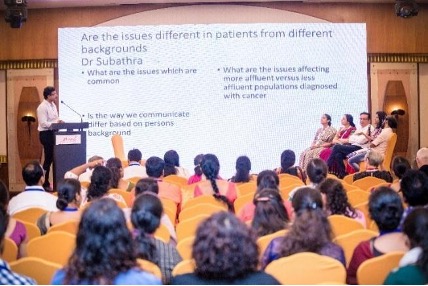
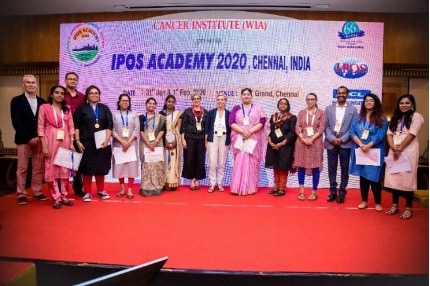
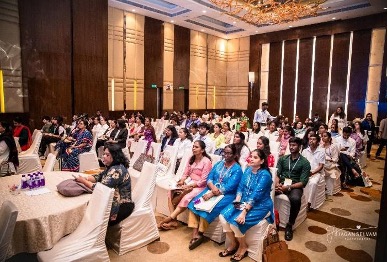
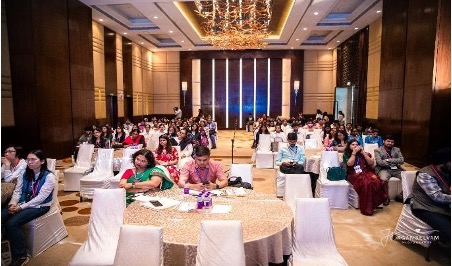
The International Psycho-Oncology Society Academy 2020 was organized in Chennai, India from 31st January to 1st February, 2020 by the Department of Psycho-oncology, Cancer Institute (WIA), with the theme ‘Enhancing Psychosocial Practices and Research in India’. The goal of the program was to train the practicing psycho-oncology professionals on therapeutic skills, strengthening research orientation and networking professionals across the country. The program featured significant inputs from psycho-oncologists, psychiatrists, oncologists, physiotherapists, survivors. Around 130 participants representing various cancer centers across the country attended the program and contributed enthusiastically.

International Psycho-oncology Society Academy 2020 (1)
International Psycho-oncology Society Academy 2020

7th Asia Pacific Psycho-Oncology Network Meeting

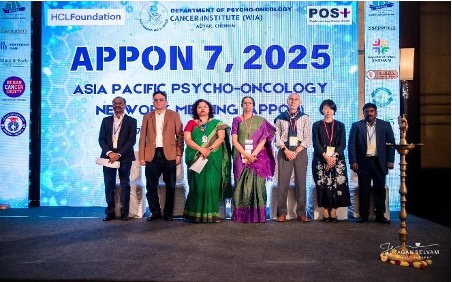
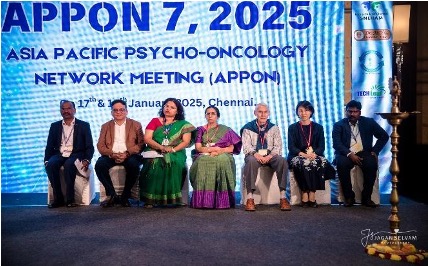
The Department of Psycho-oncology, Cancer Institute (WIA), Chennai, supported by HCLFoundation, in collaboration with the Psycho-oncology Society of India, organized the 7th Asia Pacific Psycho-Oncology Network Meeting on January 17-18, 2025, at The Westin, Chennai. The conference aimed to explore diverse aspects of psycho-oncology, from cancer prevention to survivorship and bereavement, with a focus on advancing practices across the Asia Pacific region. The event featured a comprehensive program, including four pre-conference workshops, six panel discussions, eight invited talks, two plenary sessions, three symposiums, and one master class. Among 86 submitted abstracts, 32 were selected for oral presentations and 54 for e-posters. The conference saw the participation of 250 delegates and 85 expert faculty members, including 13 international speakers.

7th asia
7th asia (1)
7th asia (2)
7th asia (3)

INDIA-US Psycho-Oncology TeleECHO Clinic

The department completed a TeleECHO clinic in collaboration with the University of Louisville, Kentucky between April and October 2019. This program comprised of sessions on domains of psycho-oncology and research by trained experts from various countries, followed by case discussions. A series of 13 online lectures were conducted over a period of six months.

Resource

  • IEC Materials for Patients and Caregivers

  • Cancer Prevention Video

  • TNTS_Fact Sheet

  • Mobile application for cancer prevention. The department is currently working on developing a mobile based application in regional languages to provide hands on information on cancer prevention, dispelling myths and misconception.

Our Doctors

Dr. Surendran V

Dr. Surendran V

Professor and Head - Department of Psycho Oncology

View profile

Our Team

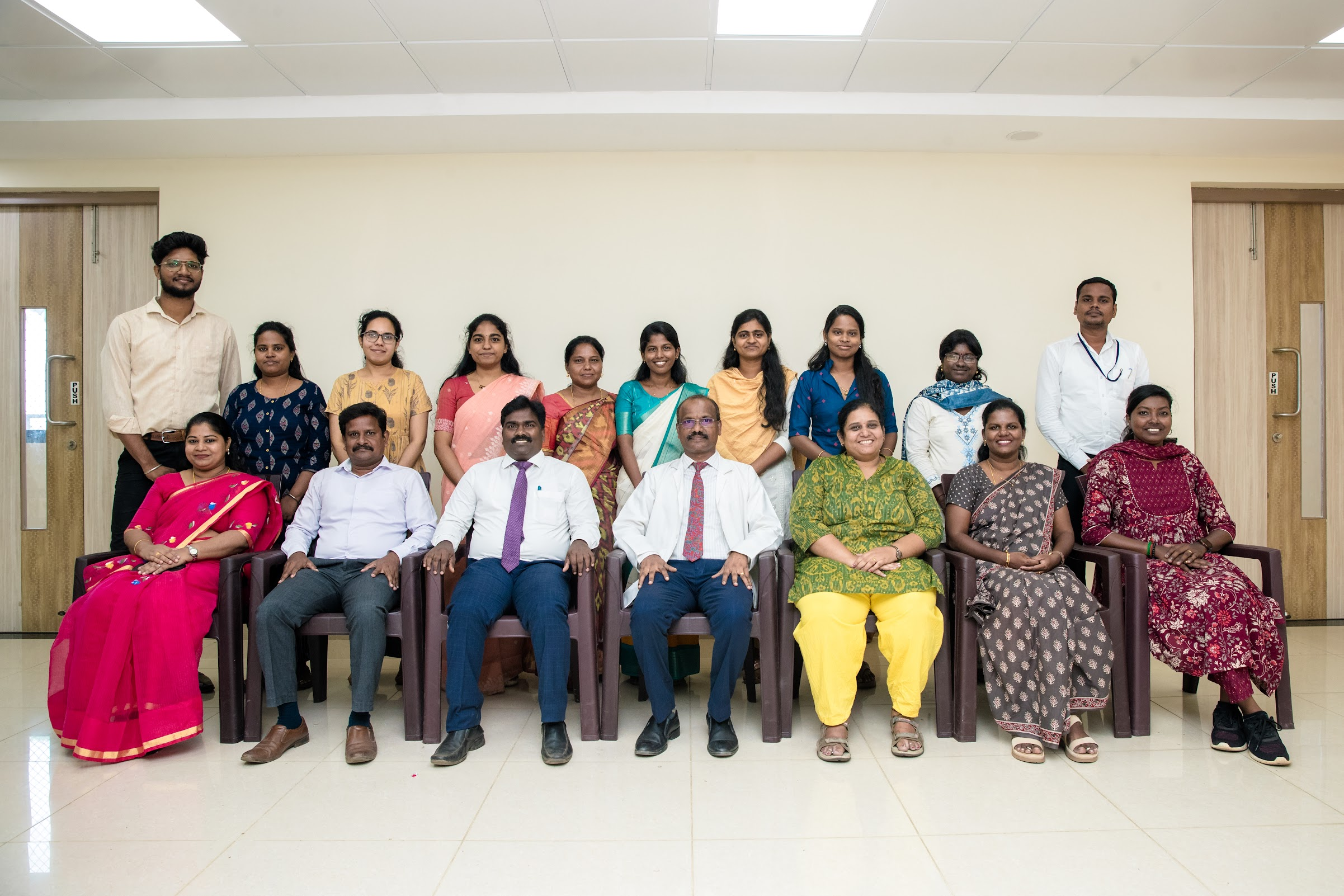
Psycho Oncology at Cancer Institute (WIA)