

Oncopathology
Precision diagnostics at the cellular and molecular level to guide personalized cancer treatment.
info@cancerinstitutewia.orgAbout the department
A pathologist studies the disease process in a patient and diagnoses the disease and its root cause by using various laboratory techniques. Rudolf Virchow, the father of modern pathology revolutionised modern medicine by declaring that cellular alterations form the root cause of all disease processes (pathogenesis) which finally leads to human disease. Now we know that the root cause of most diseases begins at the molecular level within the cell which manifests itself as changes in biochemical abnormalities followed by cellular abnormalities and finally the development of full-fledged disease.
Introduction of new generation of drugs targeting specific genes and molecular pathways combined with cellular/tissue biomarkers has mandated complete overhauling of the approach to cancer diagnosis. Oncopathology is not merely confirmation of cancer and its subtype but guides the oncologist in specific therapeutic decision-making. Oncopathologists guide oncologists on the amenability of cancer to various drugs and also forecast the overall behaviour of the disease. We provide a comprehensive final diagnosis of cancer by integrating the morphomolecular subtype and grade of cancer with its stage by clinicoradiological correlation.
Oncopathologists play a crucial role in various multidisciplinary tumour boards by providing clinicopathological correlations that help oncologists choose the best modality of treatment.
Oncopathological services are the foundation and pillars on which the entire cancer services rest. High quality oncopathological services are like the eyes and ears of the cancer specialists guiding them from the beginning to the completion of cancer treatment and thereafter in the lifetime follow up of cancer patients.
Diagnostic techniques and procedures
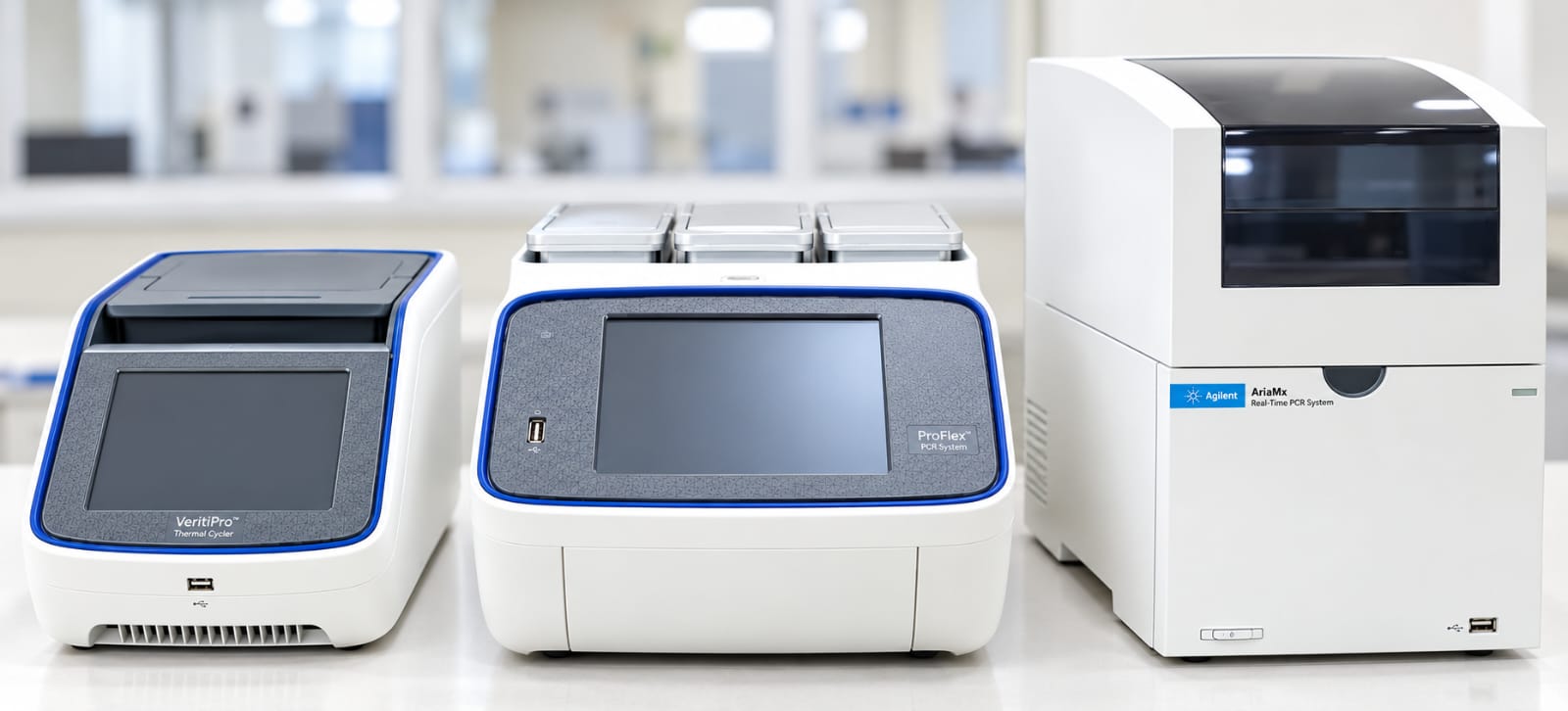
Molecular revolution has led to a paradigm shift in the way modern pathology related to diagnosis of cancer is practised. Modern cancer pathologist (oncopathologist) is able to detect the root cause changes at the molecular level. Oncopathologists not only confirm the diagnosis of cancer but also provide highly accurate characterization of the type of cancer based on cytopathology, histopathology, haematopathology, immunohistochemistry (IHC), flow cytometry (FCM), karyotyping, fluorescence in situ hybridization (FISH), polymerase chain reaction (PCR) and next generation sequencing (NGS).
This intermodality swift correlation and generation of the final definitive morphomolecular diagnosis is only possible in a tertiary, all under one roof oncopathology department like the one operational in Cancer Institute (W.I.A.). In house, on campus, all under one roof oncopathological services not only guarantee high quality diagnostic services but also ensures appropriate processing and transport of specimens with preserved integrity. It also ensures the shortest turnaround time and provides the channels for informal, real time cross consultations with oncologists and guide them on treatment strategies.
Consensus generated oncopathology reporting is the current gold standard of cancer care. Subjective interpretation which was traditionally associated with disagreement and discordance in the final report has been made objective by the use of ancillary molecular techniques like IHC and FISH. This has resulted in a revolution in cancer diagnosis by factoring in objectivity in the final diagnosis of cancer. The comprehensive and easy availability of IHC markers for almost every key discriminatory molecule has helped us in deductive reasoning and seamless consensus generation resulting in a highly accurate and objective, definitive diagnosis of cancer for the oncologists to act on confidently and decisively.
Cytopathology
Histopathology
Haematopathology
Clinical Laboratory
Cytogenetics
Advanced Molecular Oncology Diagnostic Services
Electron Microscopy
Teaching, Training & Academic Leadership
Education & Training
- In addition to clinical and research activities, the department of Oncopathology is deeply committed to education and training. In 2015, we were the first in the state of Tamil Nadu to offer a one-year post-doctoral fellowship course in Oncopathology affiliated to The Tamil Nadu Dr M.G.R. Medical University. Our alumni who are now across the country underwent comprehensive training in the various facets of Oncopathology. In 2022, D.M. Oncopathology was granted by the National Medical Commission. The first batch commenced their course in January 2023 and graduated in February 2026. We actively educate and train our senior residents and focus on continuous skill development for our technical staff. Our faculty and senior residents actively participate in national and international conferences and have won many prizes.
Research
- Beyond diagnostics, the department is actively engaged in research. Haematopathology laboratory work is widely recognized and disseminated through international peer-reviewed publications and presentations at national and international forums. We also contribute significantly to the development of national and international guidelines for quality practices in hematopathology. Notably, our laboratory played a key role in formulating national guidelines for B-ALL MRD assessment, and our workflow has been incorporated into the international CLSI H43 document on flow cytometry practices in haematological malignancies.
Our Doctors
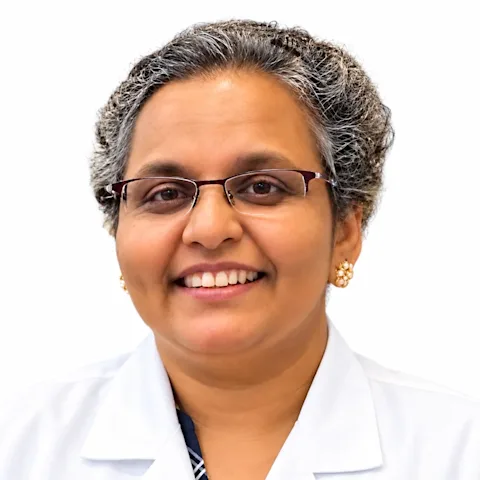
Dr. Shirley S
Professor and Dean, Head - Oncopathology
View profile
Dr. Kanchan Murhekar
Professor
View profileDr. Karthik Bommannan B.K.
Professor
View profile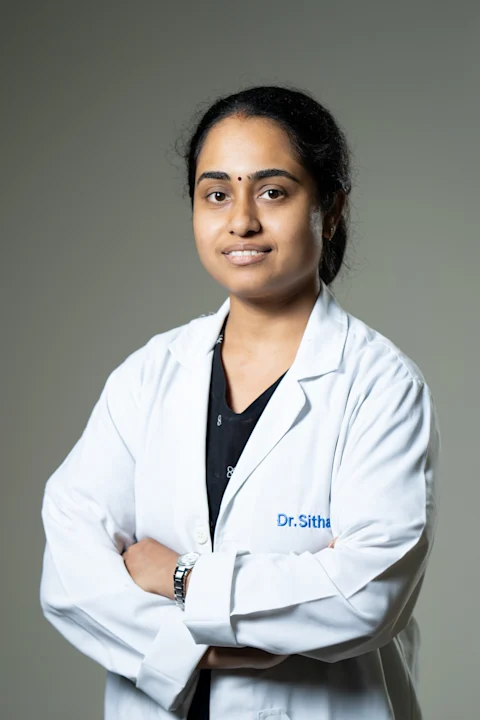
Dr. Sithara Venkateshwar
Assistant Professor
View profileDr. Charanya Manivannan
Assistant Professor
View profile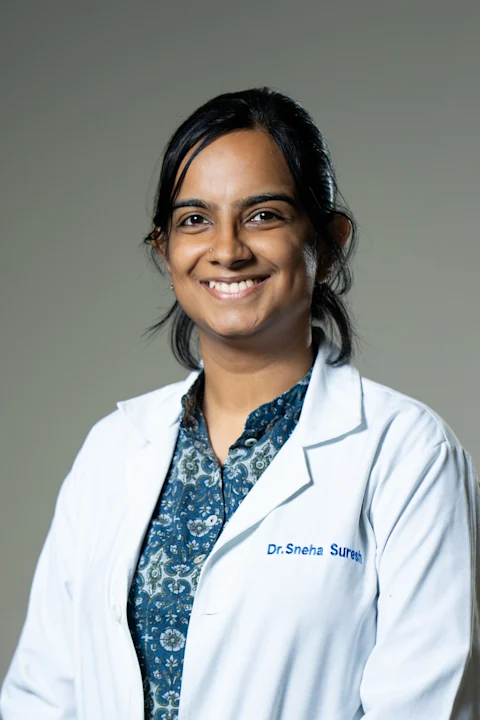
Dr. Sneha Suresh
Assistant Professor
View profile