

Equipment Specification
diagnostic
Molecular Oncology
Transforming Cancer Care Through Molecular Science
molecularoncology@cancerinstitutewia.orgAbout the department
Established in 1994, the Department of Molecular Oncology at the Cancer Institute (W.I.A.) continues to advance its founding mission: Today’s Research, Tomorrow’s Cure. Over the past three decades, the department has been recognized as a Centre of Excellence by the Department of Science and Technology and has consistently secured competitive funding from DST, DBT, ICMR, BRNS, and the DBT–Wellcome Trust. These programmes span fundamental cancer biology, tumour behaviour, and translational research aimed at developing therapies that move from bench to bedside.
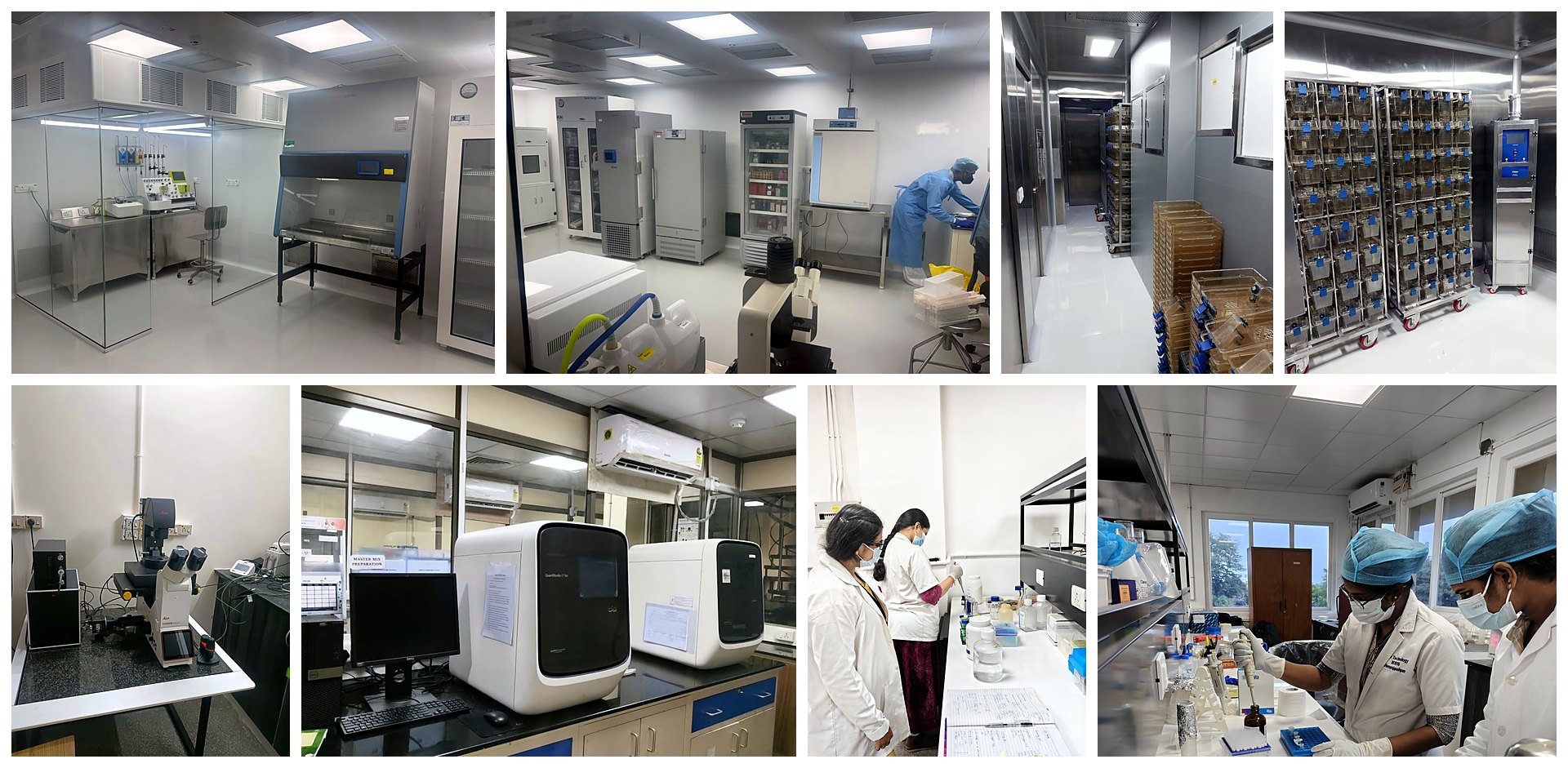
The department’s laboratories are equipped with advanced platforms—including in vivo imaging systems, mass spectrometry, next generation sequencing, and live cell imaging—providing the technological depth required to conduct research at the forefront of molecular oncology.
Message from the Head of Department
The Department of Molecular Oncology is dedicated to advancing cancer research through an integrated approach combining molecular biology, genomics, proteomics, preclinical research, bioinformatics, and artificial intelligence. Our strength lies in interdisciplinary research, multi-omics data analysis, computational modeling, drug discovery and translational oncology.
Sabita K
Professor and Incharge Department of Molecular Oncology
Services Available
BCR-ABL quantitative
BCR-ABL qualitative
Services Offered
Stem Cell Graft Manipulation
Haploidentical Graft Engineering (TCRαβ Depletion)
Selective removal of αβ T cells while preserving γδ T cells and NK cells on the CliniMACS Prodigy prevents lethal Graft-versus-Host Disease (GVHD), expanding safe stem cell transplant options to nearly all patients with a half-matched family donor.
Infrastructure & Technology
Facilities and equipment
Infrastructure
Equipment Specification
Vega benchtop system
Equipment Specification
Clinimacs Prodigy
Equipment Specification
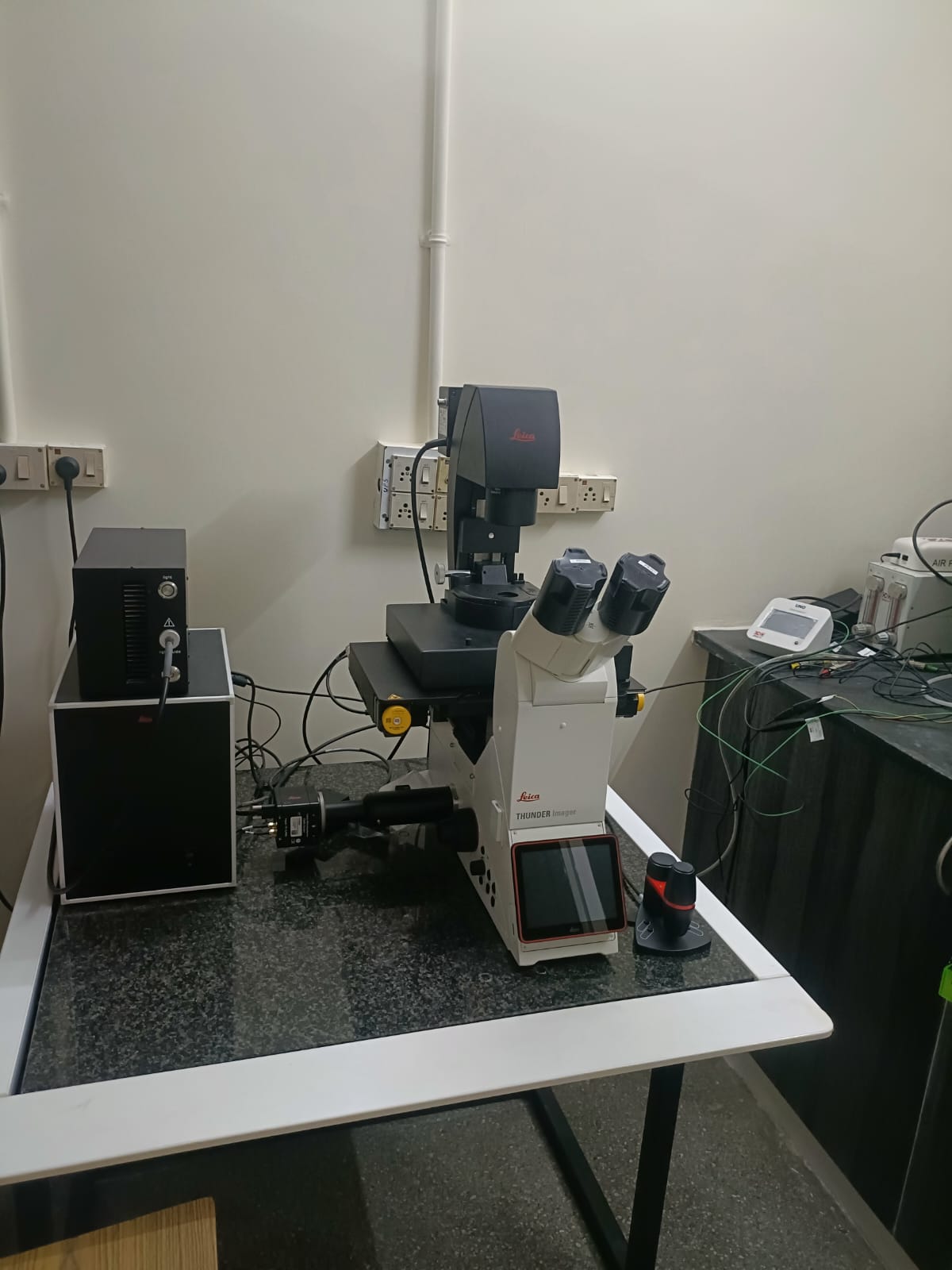
Leica Thunder Live cell Imager
Equipment Specification
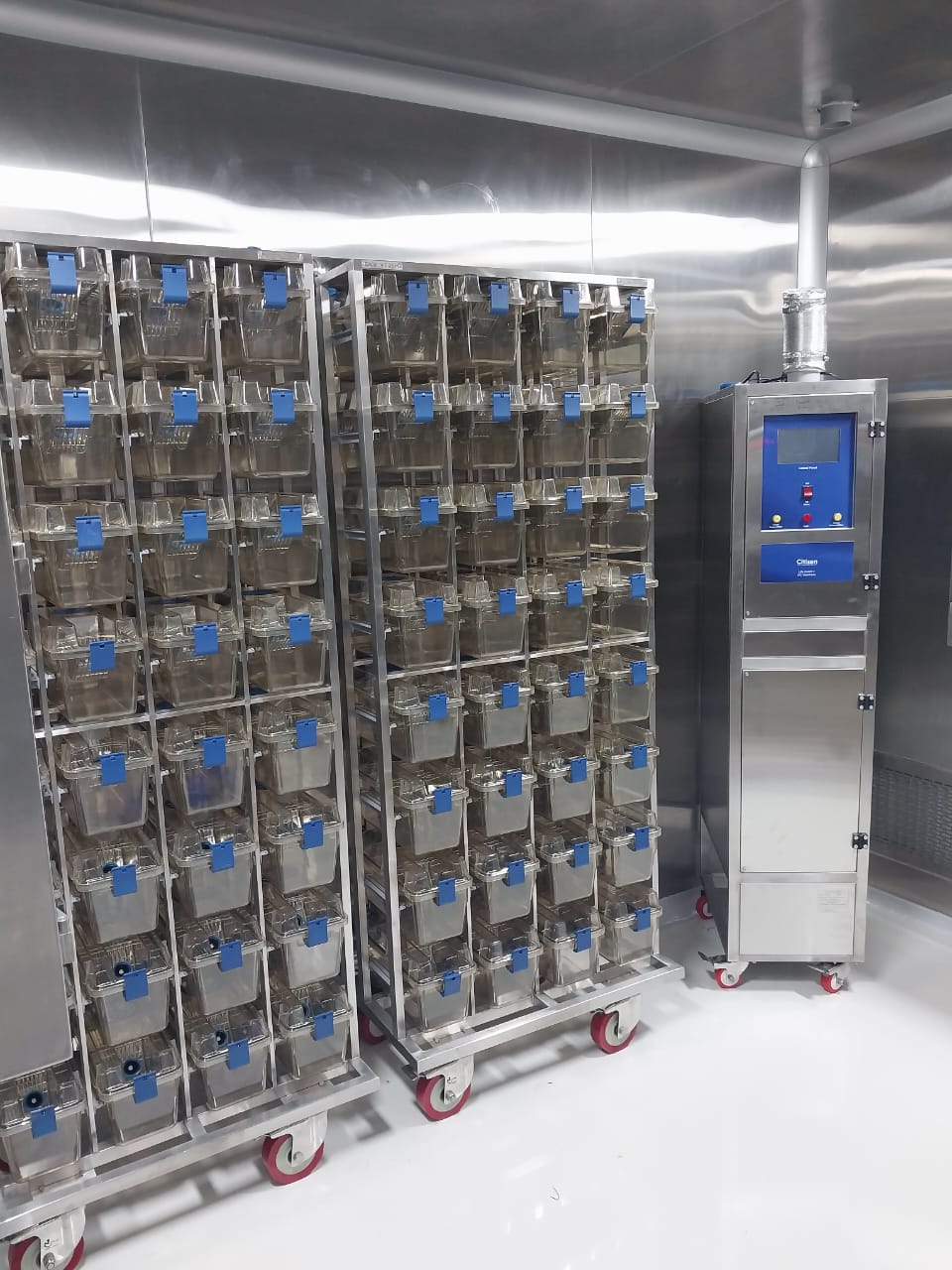
Individually Ventilated Caging system (IVC)
Equipment Specification
In vivo imaging system
Equipment Specification
UHPLC
Equipment Specification
Nano LC
Equipment Specification
Ion Trap MALDI TOF
Equipment Specification
Fraction collector (LC MALDI)
Equipment Specification
LCMS-8060NX triple quadrupole Mass spectrometer
Equipment Specification
Three laser flow cytometer
Equipment Specification
Tissue extractor and omics bundle
Cytiva
Equipment Specification
Mateo Digital microscope
Leica
Equipment Specification
QIAcube connect
Automated extraction
Equipment Specification
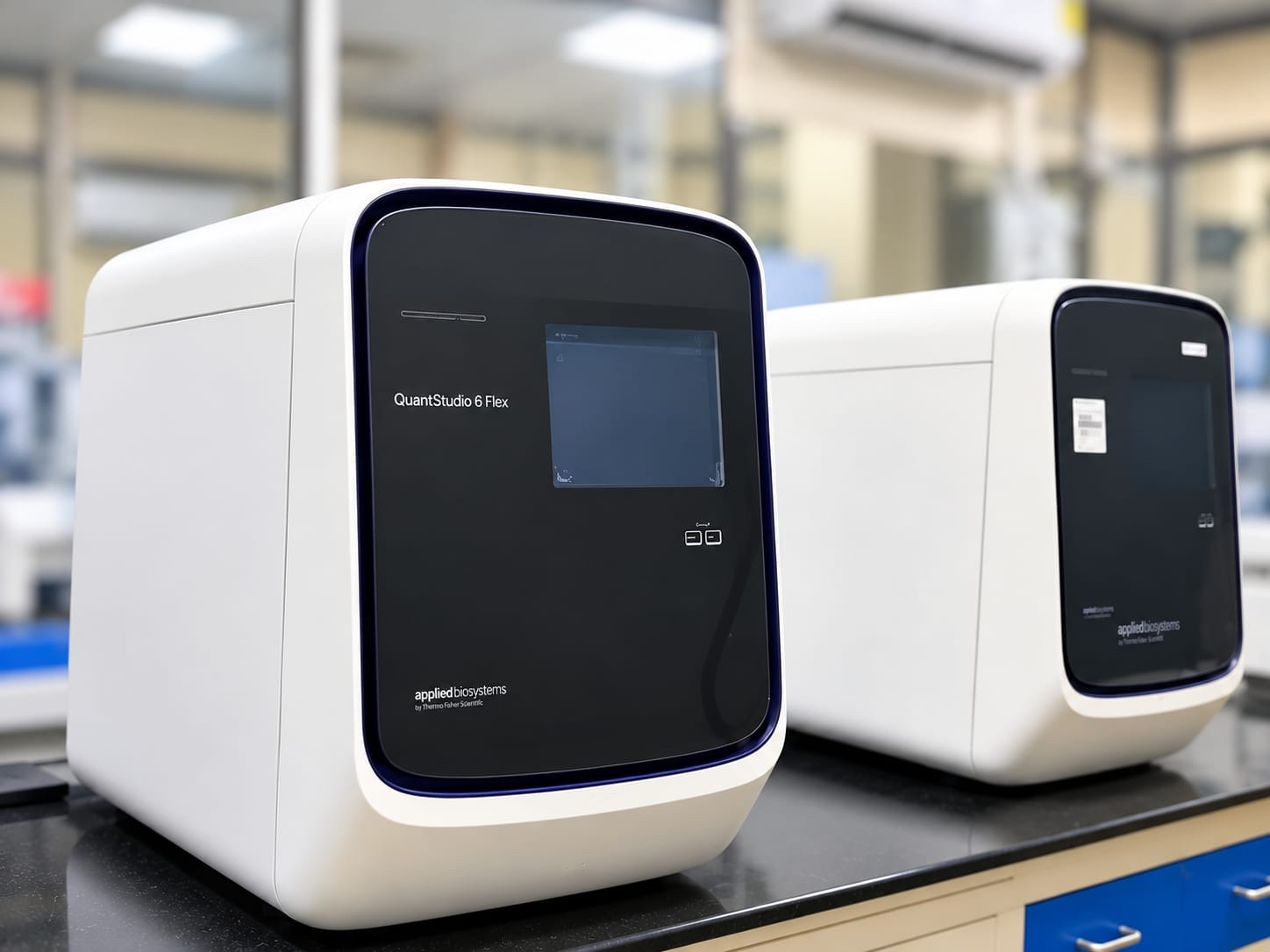
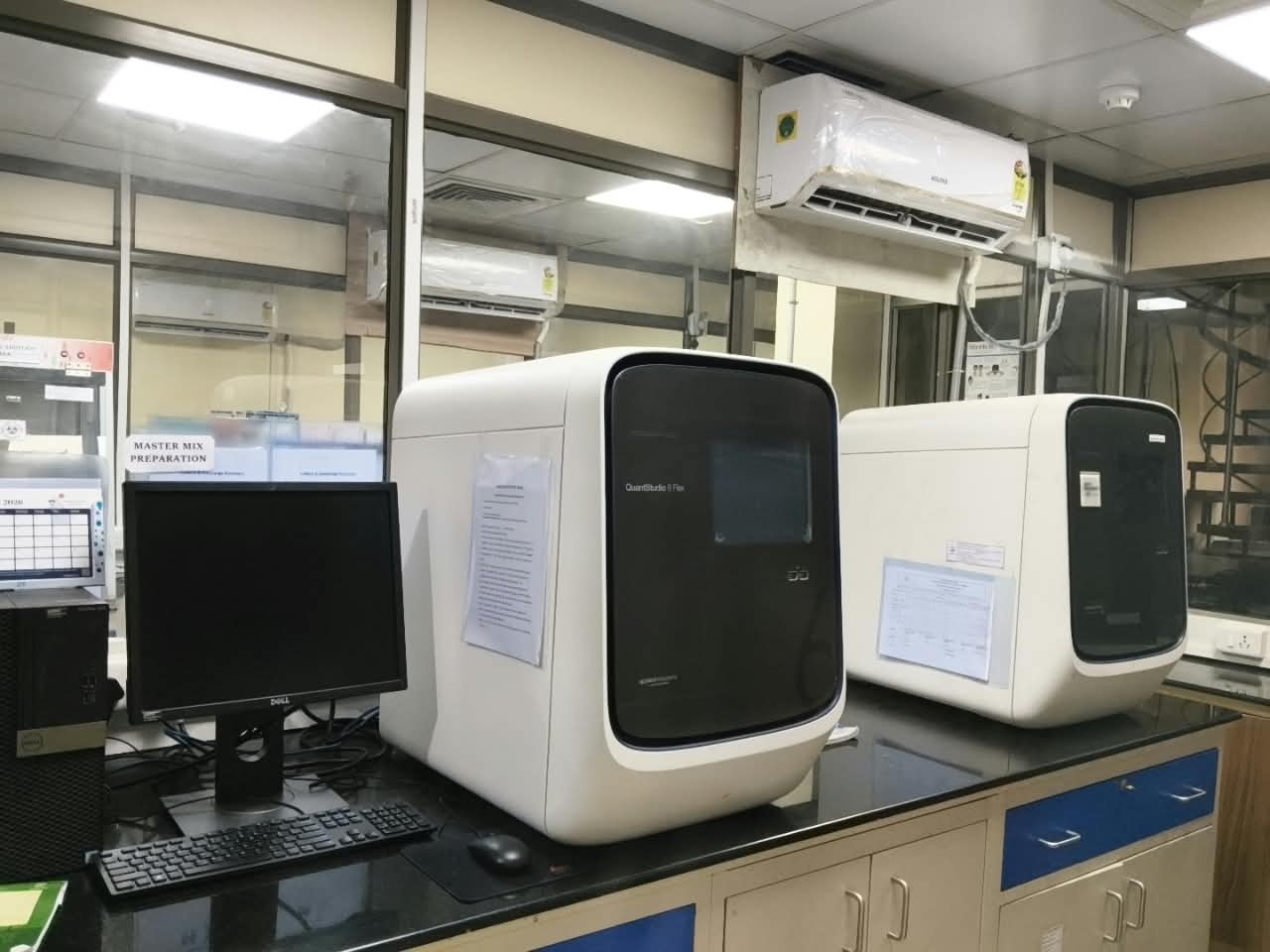
Real-Time PCR machine
Equipment Specification
CTL ELISPOT analyser
Equipment Specification
Multimode plate reader -Infinite 200 PRO
Equipment Specification
FastPrep 24-5g
Equipment Specification
System Server Tyrone
Equipment Specification
Workstation-1 Tyrone Workstation-2 Tyrone FPLC
Equipment Specification
Real time PCR Inverted microscope
Equipment Specification
Clinical Programme — Cell and Immune Therapy
Equipment Specification
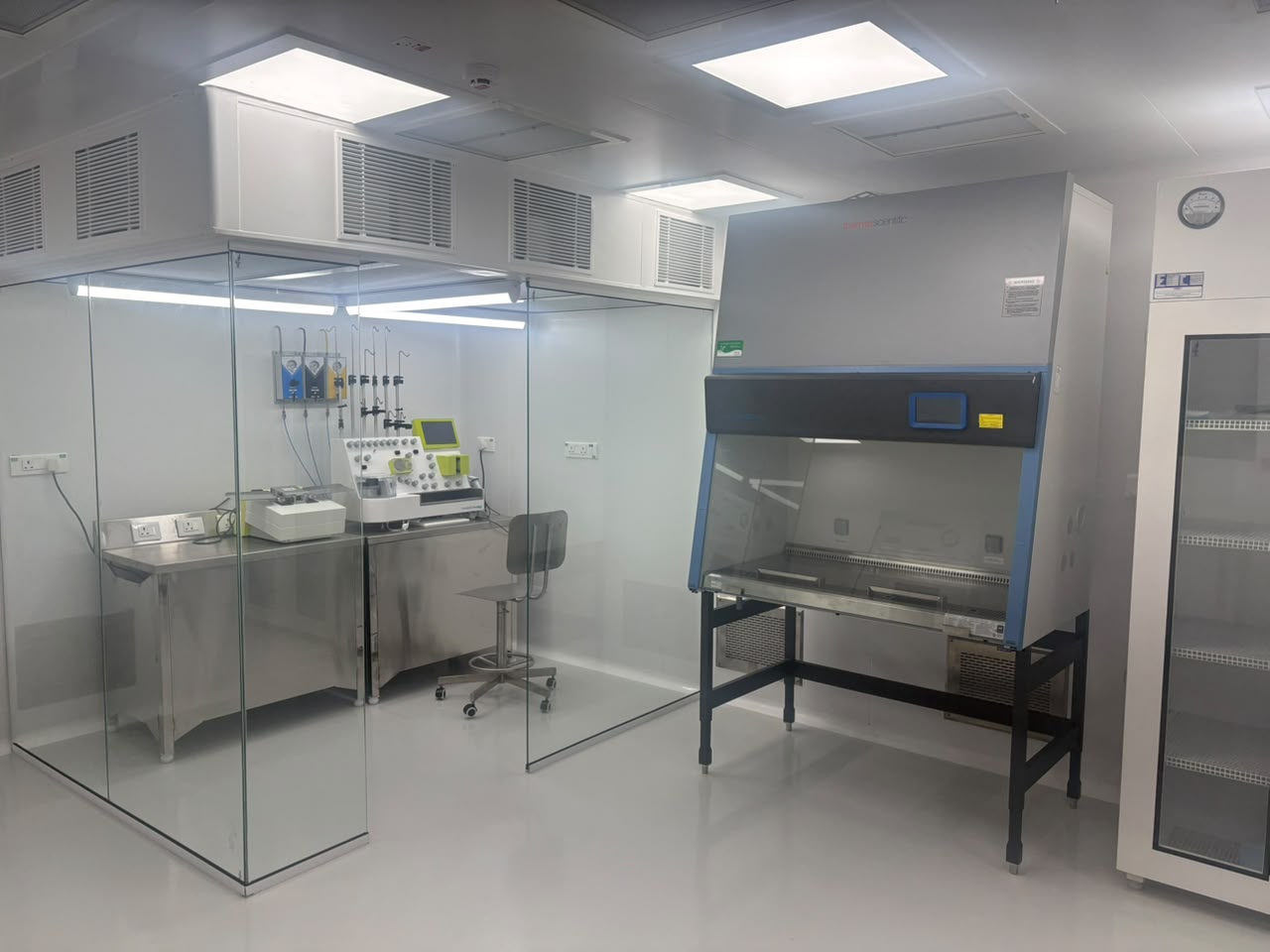
GMP Compliant Cell Therapy Facility
The department has a dedicated GMP-grade manufacturing facility comprising cleanrooms of up to ISO 5 classification. Segregated Manufacturing and Quality Control rooms ensure sterility, process control, and compliance with international GMP standards. At the core of this infrastructure is the specialized CliniMACS Prodigy facility, a closed system, automated platform designed for automated processing of cellular therapeutics. This facility enables end-to-end manufacturing—from cell selection and depletion to final formulation—while minimizing manual handling and contamination risk.
Equipment Specification
Animal House Facility
Our Animal Facility, registered with the CCSEA since 2000, supports both basic and translational cancer research through IAEC-approved in vivo studies. The unit includes a Class 10,000 cleanroom with an Individually Ventilated Caging (IVC) system, HEPA filtration, and dual 24×7 HVAC air-handling, enabling preclinical anti-cancer efficacy studies in immune-compromised mice. A separate CCSEA-compliant area houses immune-competent mice for toxicity studies. The facility also features the Berthold Night OWL, a non-invasive in vivo imaging system that provides real-time, longitudinal reporter-based readouts without the need for invasive procedures. Our team routinely generates CDX, PDX, and allograft mouse models, supporting preclinical research across immunotherapy, cell therapy, and pharmacology, and helping accelerate the development of new therapeutic options for patients.
Programmes & Specializations
Adoptive cell therapy program
The department’s cell-therapy portfolio includes several platforms under active development or fully established.
Dendritic Cell Programme – (2004)
The Department has pioneered dendritic cell (DC) vaccine–based immunotherapy in India , completing Phase I clinical trials in cervical and ovarian cancers and demonstrating the feasibility and safety of personalized DC...
TCRαβ Depletion Programme (July 2026)
The Department has established a comprehensive TCRαβ depletion programme to support haploidentical stem cell transplantation (HSCT) for AML patients. This strategy selectively removes TCRαβ-positive T lymphocytes from do...
Tumour-Infiltrating Lymphocyte (TIL) therapy
It is a personalized adoptive cell therapy that uses a patient’s own tumour-resident T cells, which have already encountered tumour-associated antigens and are enriched for tumour-reactive clones. After tumour resection...
Legacy of the department
- In 2002, the Cancer Institute (WIA), Chennai, through its Department of Molecular Oncology, established India’s first comprehensive Hereditary Cancer Clinic. This pioneering initiative marked a significant milestone in cancer genetics and personalized cancer care in the country. The programme integrated hereditary cancer risk assessment, genetic counselling, mutation analysis, and clinical management, with an initial focus on hereditary breast and ovarian cancers. It laid the foundation for systematic identification of individuals and families at increased genetic risk of cancer in India and strengthened the role of molecular genetics in cancer prevention and early detection.
- In 2007 under the Department of Science and Technology (DST) funded Intensification of Research in High-Priority Areas program, a Centre of Excellence in Molecular Oncology was established at the Cancer Institute (WIA). Some of the objectives of the programme were identification of potential diagnostic, prognostic and follow-up markers and therapeutic targets in gastric, breast and cervical cancer. Characterization and targeting of EWS-FLI1 fusion protein in Ewing’s Sarcoma.
Key achievements
10 Milestones- 011994: Molecular Oncology department initiated
- 022002: First hereditary cancer clinic in India
- 032004: Phase I clinical trial, Dendritic Cell vaccine for cervical cancer
- 042007: Centre of Excellence in Molecular Oncology by DST
- 052010: Established Research and Development facility funded by DST in areas such as Genomics, Proteomics, Immunotherapy, and a state-of-the-art cleanroom facility for animal experiments
- 062014: Molecular Diagnostic Unit received NABL certification
Intellectual Property & Research
Patents, Publications & Innovations
Translational clinical research, patented therapeutic processes, and licensed innovations originating from the department.
Patent Sanctioned
- Publication / Patent RecordPublished” CIEWSPEP” the designated name of the peptide in patent application filed at the Indian patent office. Application No: 386/CHE/2015. Dr Gopal, Dr T Rajkumar, Dr Krishnapriya Technology Transferred
- Publication / Patent RecordPublishedDr. Sridevi "A system for detecting nucleic acids using a paper-based substrate, and a method thereof". Patent number - 581173.
Patents Applied
- Publication / Patent RecordPublished” Biomarkers for early diagnosis of ovarian cancer”. Application No : 201741011879, 2017. Dr T Rajkumar, Dr Gopal, Dr Amutha, Dr Sridevi, Dr Jayavel
- Publication / Patent RecordPublishedA non-invasive diagnostic and prognostic Biomarkers for breast cancer and method of detection thereof [Ref No. 202041055348; 19/12/2020]: Samson Mani; Deva Magendhra Rao. A. K; T. Rajkumar; Harsha Gowda; Krishna Patel; Aditi Chatterjee
- Publication / Patent RecordPublished” Rapid and Accurate Detection of M-Protein by MALDI-TOF by Reagent-Based Extraction”, Indian Provisional Patent Application no: 202041009443. Filed by: Cancer Institute (WIA). Gopal Gopisetty, Nikita Mehra, Subramani Jayavelu
- Publication / Patent RecordPublishedA process for development of EFRE and EWS-FLI1 containing dual reporter plasmid constructs for high-throughput screening assays in Ewing sarcoma. Inventors: Dr. Balaji Ramachandran and Mrs. Kirtana Reddy. Indian Patent application no: 202341035803, filed on 23/05/2023.
- Publication / Patent RecordPublishedCIWIA LUC flash assay cocktail KIT: a kit for Cost-Effective Luciferase Assays. Inventors : Dr. Ramachandran B and Mrs. Reddy K. IPA no: 202441090853, filed on 22/11/2024.
- Publication / Patent RecordPublishedSingle-chain variable fragment CISCFV-anti-CD99 and recombinant antibody CIAb-anti-CD99 for targeted therapy of CD99-expressing Ewing sarcoma. Inventors: Dr. Gopisetty G, Ms. Sabapathy Y, Dr. Ramachandran B, Dr. Ramanathan P and Dr. Thangarajan R. IPA no: 202541085653 filed on 09/09/2025.
- Publication / Patent RecordPublishedA process for development of EFRE and EWS-FLI1 containing dual reporter plasmid constructs for high-throughput screening assays in Ewing sarcoma. Inventors : Dr. Ramachandran B and Mrs. Reddy K. IPA no: 202341035803, filed on 23/05/2023.
Our Team

Sabita K
Professor and Incharge Department of Molecular Oncology
Bioinformatics, In vitro studies
In vitro studies, drug screening, drug repurposing, sequence data analysis, protein modelling & dynamics, vaccine design, identification of targets by meta-analysis.
View profile
Balaji Ramachandran
Professor
Preclinical drug discovery and development, Hormonal involvement in cancers
Generation of optimal pre-clinical models for anti-cancer drug screening, pharmaco-toxicology and immunotherapy studies.
View profile
Priya Ramanathan
Associate Professor
Immunotherapy / Cell therapy
Cell therapy, DC vaccine generation for solid tumors.
View profile
Mayilvahanan Bose
Associate Professor
Microbiome / Metabolome
Biomarker Discovery, Translational Diagnostics, Metagenomics, AMR.
View profileDeva Magendhra Rao A. K.
Associate Professor
Genomics & Epigenetics
Genome and transcriptome sequencing, epigenetic modifications, Cell therapy.
View profile
Sridevi Duggirala
Assistant Professor
Patient derived models for Spheroids / organoids
Development of preclinical models such as spheroids/organoids and explants. Developing and validating functional potency assays to characterise the activity of the manufactured cell-therapy products.
View profile

Team Photo
Patient guidance
Frequently asked questions
What is adoptive cellular immunotherapy?
Adoptive cell therapy harnesses your own immune system (or a donor’s immune system) to fight cancer. Immune cells such as T cells, NK cells, or dendritic cells are collected, expanded or genetically engineered in our specialized GMP cleanrooms, and infused back into the body to recognize and destroy cancer cells.