















Clinical department

Medical Oncologyand Pediatric Oncology

Medical Oncology and Pediatric Oncology focuses on treating cancer using chemotherapy, immunotherapy, targeted therapies, hematopoietic stem cell transplant, and cellular therapy.

Medical Oncology and Pediatric Oncology

Department overview

The Department of Pediatric and Medical Oncology is dedicated to the comprehensive care of patients with cancer across the age spectrum, from children and adolescents to adults. Pediatric oncology is a highly specialized discipline addressing cancers in children and adolescents, which are biologically distinct from adult cancers and require age-appropriate treatment strategies, intensive supportive care, and long-term follow-up.

Medical oncology focuses on the systemic treatment of solid and hematological malignancies using chemotherapy, targeted therapy, immunotherapy, and hormonal therapy, delivered through evidence-based protocols. Together, these specialties play a critical role in cancer management, with goals ranging from cure to disease control, symptom relief, and preservation of quality of life.

The department supports patient care through a multidisciplinary approach, working closely with multiple clinical and diagnostic services to ensure seamless care across the cancer continuum. Care is delivered from diagnosis and risk stratification through active treatment, supportive care, survivorship, and end-of-life care when required. Advanced therapeutic services, including hematopoietic stem cell transplantation and emerging cellular therapies such as CAR-T cell therapy, form an integral part of the department’s clinical scope.

Unique strengths of the department include a strong focus on evidence generation and implementation in resource-limited settings, with active involvement in clinical trials, implementation research, and cancer registries. The pediatric oncology program is especially recognized for protocol-driven care, systematic outcome tracking, and initiatives to reduce treatment-related mortality, supported by robust data systems.

Message from the Head of Department

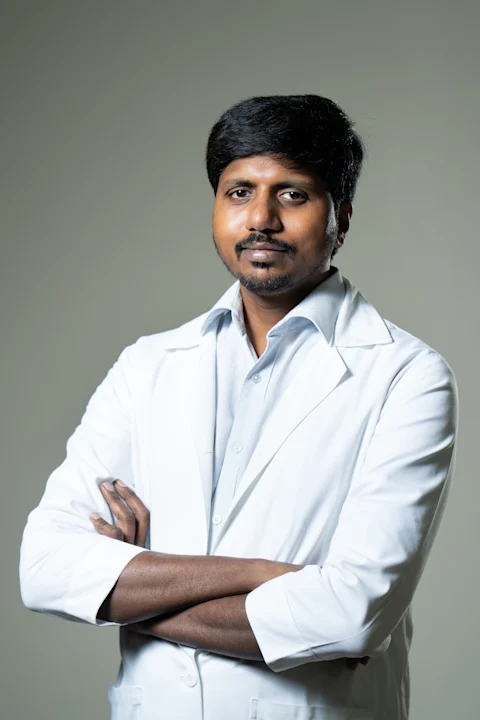
“Our vision is to provide compassionate, high-quality, and equitable cancer care for every patient, guided by science, empathy, and integrity. We are committed to delivering evidence-based treatments tailored to each individual, while recognizing the physical, emotional, and social challenges that cancer brings to patients and their families. Patient safety, dignity, and quality of life remain at the heart of everything we do.”

Dr. Venkatraman RadhakrishnanProfessor & Head Department of Medical Oncology
View Profile

Conditions we treat

  • Breast cancer
  • Lung cancer
  • Colorectal cancer
  • Gastrointestinal cancers
  • Head and neck cancers
  • Gynecological cancers
  • Genitourinary cancers
  • Sarcomas
  • Central nervous system tumors
  • Neuroendocrine tumors
  • Multiple myeloma
  • Plasma cell disorders
  • Acute leukemias
    • Acute Lymphoblastic Leukemia
    • Acute Myeloid Leukemia
  • Chronic leukemias
    • Chronic Lymphocytic Leukemia
    • Chronic Myeloid Leukemia
  • Hodgkin lymphoma
  • Non-Hodgkin lymphoma
  • Myelodysplastic syndromes
  • Myeloproliferative neoplasms
  • Solid tumors in children and adolescents
  • Pediatric leukemias and lymphomas
  • Pediatric brain tumors
  • Relapsed and refractory cancers
  • Hematopoietic stem cell transplantation
  • Cellular therapies including CAR-T cell therapy
  • Supportive oncology care
  • Cancer survivorship care
  • Palliative and end-of-life care

Treatment Options

Chemotherapy

Clinical Overview & Patient Education

Understanding Blood Cancer

Pathology & Origin

Blood cancer is a group of cancers that start in the blood or in the organs that make blood, such as the bone marrow and lymph nodes.

These include three main types: leukaemia (cancer of the blood-forming cells), lymphoma (cancer of the lymph glands and lymphatic system), and myeloma (cancer of the plasma cells in the bone marrow).

Leukaemia
Cancer of the blood-forming cells in the bone marrow
Lymphoma
Cancer of the lymph glands and lymphatic system
Myeloma
Cancer of the plasma cells in the bone marrow
At Cancer Institute (WIA)

Specialized Diagnostic & Therapeutic Capabilities

At the Cancer Institute (WIA), blood cancers are diagnosed with modern tests such as blood examinations, bone marrow tests, and specialised tests, so that we can identify the exact type of blood cancer and plan the best treatment for you.

Treatment may include chemotherapy, targeted tablets or injections, immunotherapy, and bone marrow (stem cell) transplant, and is tailored to each patient based on age, general health, and type of cancer.

ChemotherapyTargeted TherapiesImmunotherapyStem Cell Transplant

Prognosis & Family-Centered Care

Many patients with blood cancer can achieve very good control of the disease, and some can be cured, especially when treatment is started early.

Our team will explain each step of your treatment, help you manage side-effects, and support both you and your family throughout your care.

Prevention & early detection

Maintaining a healthy lifestyle with a balanced diet, regular physical activity, adequate sleep, and avoidance of tobacco and excessive alcohol can help reduce the risk of several cancers.

Participating in recommended cancer screening programs, such as breast, cervical, colorectal, and oral cancer screening, helps detect cancer at an early and more treatable stage.

Seeking medical attention promptly for warning signs such as unexplained weight loss, persistent fever, unusual bleeding, new lumps, prolonged pain, or non-healing sores can lead to earlier diagnosis.

For children, early evaluation of persistent symptoms like prolonged fever, pallor, recurrent infections, unexplained bruising, bone pain, or swelling is important for timely detection of childhood cancers.

During cancer treatment, patients should follow infection-prevention practices, including good hand hygiene, safe food habits, and timely reporting of fever or other symptoms to the care team.

Adhering to prescribed treatments, attending follow-up visits, and maintaining open communication with the healthcare team support better outcomes and recovery.

Emotional well-being, adequate nutrition, physical activity as advised, and family support are essential components of self-care during and after cancer treatment.

When To Visit

When to visit

Clinical Indications

  • Unexplained weight loss or loss of appetite
  • Persistent fever without an obvious cause
  • New or persistent lump or swelling anywhere in the body
  • Unusual or abnormal bleeding or bruising
  • Persistent pain that does not improve
  • Chronic fatigue or weakness
  • Changes in bowel or bladder habits lasting more than two weeks
  • Persistent cough, breathlessness, or chest discomfort
  • Non-healing ulcers or sores
  • Difficulty swallowing or persistent hoarseness
  • Recurrent infections or prolonged illness
  • Severe anemia or abnormal blood test results
  • Bone pain or unexplained fractures
  • Headaches with vomiting, vision changes, or seizures
  • Unexplained pallor, bruising, or bleeding in children
  • Persistent fever, bone pain, or swelling in children

Facilities & capabilities

Dedicated chemotherapy day care and inpatient units

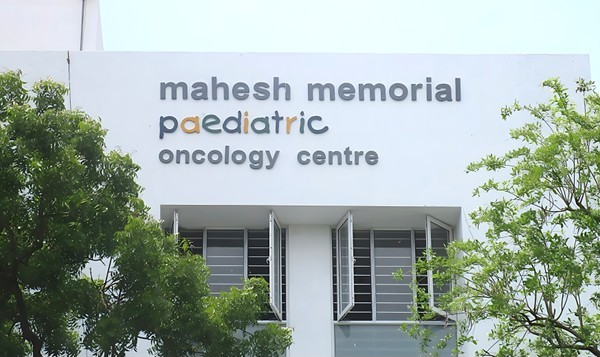
Pediatric oncology inpatient and day care facilities

Hematopoietic stem cell transplant unit with HEPA filtration

Cellular therapy facilities including CAR-T cell therapy support

Advanced infusion facilities for chemotherapy and biologic agents

Procedure room for oncology-related procedures

High-dependency unit (HDU) for oncology patients

Intensive care unit (ICU) support for critically ill oncology patients

Legacy

  • 1960 – Established the first dedicated Pediatric Oncology unit in India, recognizing and addressing the unique needs of children with cancer.
  • 1984 – Established the first DM Medical Oncology program in the country, playing a foundational role in training generations of medical oncologists.
  • Over the following decades – Built a legacy of academic excellence and leadership development, with alumni leading major cancer centers, academic institutions, and national programs across India and abroad.
  • Ongoing – Pioneered multicenter collaborative clinical trials, strengthened national and international research networks, and advanced equitable, high-quality cancer care for adult and pediatric patients.

Achievements

9 Milestones
  1. 01
    University Gold Medal in DM Medical Oncology Examination – 2024 – Awarded by the affiliating University for academic excellence
  2. 02
    ISMPO Gold Medal – 2024 & 2025 – Indian Society of Medical & Pediatric Oncology
  3. 03
    Best Postgraduate Institute Award – 2025 – ICON (Indian Cooperative Oncology Network)
  4. 04
    Lead Centre for the Indian Collaborative Childhood Leukaemia (ICiCLe) group

Our Team

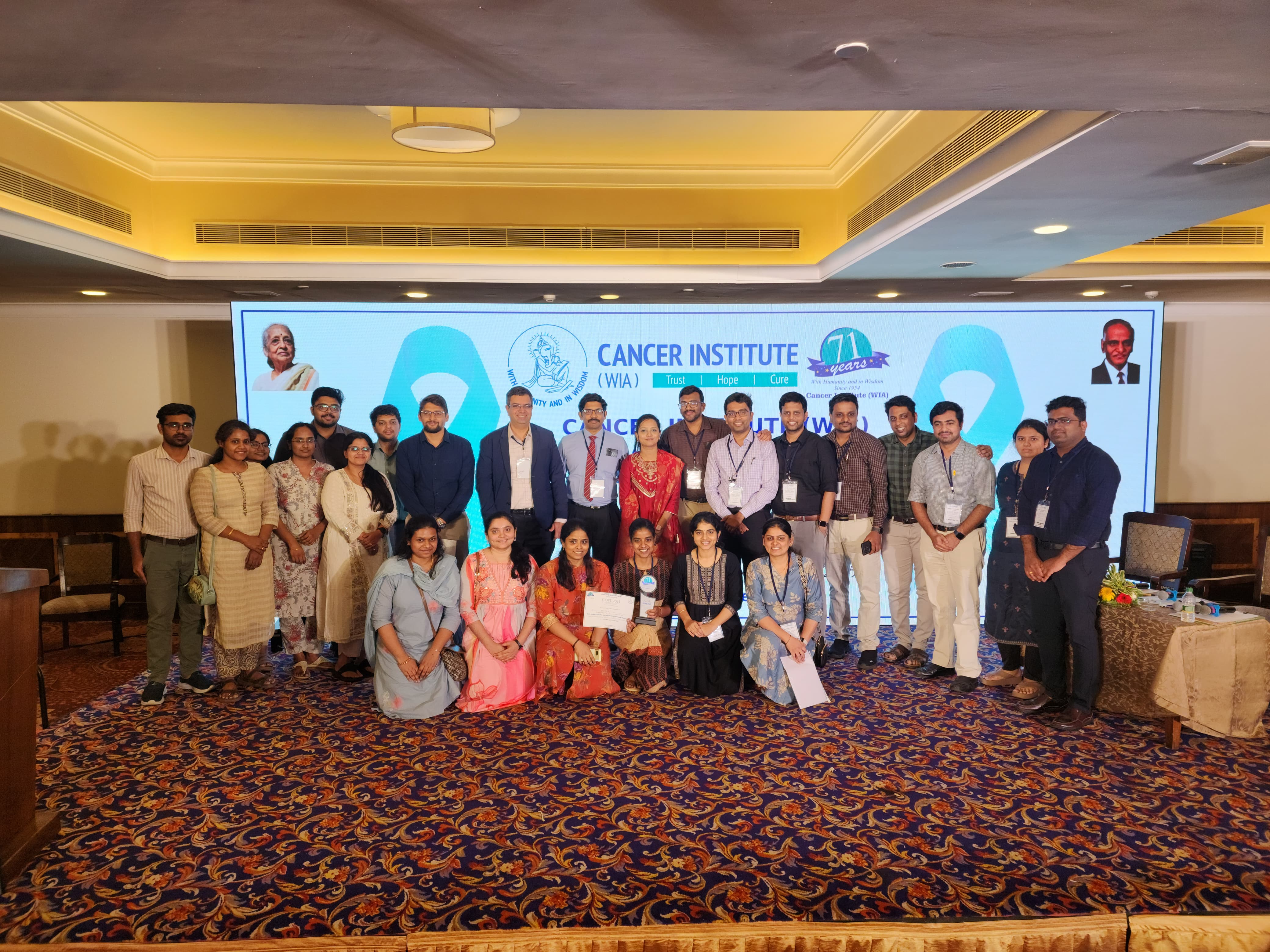
Medical Oncology and Pediatric Oncology team at Cancer Institute (WIA)

Contact Medical Oncology and Pediatric Oncology

Professor & Head Department of Medical Oncology

Dr. Venkatraman Radhakrishnan

Cancer Institute (WIA), Adyar campus