Acupuncture Therapy Coin Strike Slot Alternative Medicine in UK

Today’s UK wellness scene offers a curious mix holdandwins.com. Traditional healing practices and modern digital games might seem worlds apart, but they both draw people searching for comfort or entertainment. The phrase “Acupuncture Treatment Coin Strike Slot Alternative Medicine” embodies this strange juxtaposition. It underscores a societal tendency of seeking balance and engagement in diverse settings. Acupuncture represents a centuries-old practice within holistic healthcare, focused on whole-body wellness. On the other hand, games like the Coin Strike slot deliver a flash of online thrills. This article looks at both. It analyzes acupuncture’s established position in UK medical system and the distinct realm of slot-themed entertainment. We will discuss how each is governed and why understanding the distinction between therapy and play is important for choosing responsible choices.
Understanding Acupuncture as Controlled Alternative Medicine in the UK
In the UK, acupuncture isn’t any fringe mystery. It’s a regulated complementary therapy with a distinct professional structure. The treatment employs fine, sterile needles inserted at specific points on the body. This triggers nerves, muscles, and connective tissue, which can increase the body’s natural pain relief and improve blood flow. The British Acupuncture Council (BAcC) directs the way in self-regulation. Its members must undergo extensive accredited training and observe strict codes of practice. You can also find acupuncture within the mainstream health system. A growing number of NHS GP surgeries and pain clinics offer it, particularly for stubborn issues like chronic lower back pain and migraine prevention. This complies with guidelines from the National Institute for Health and Care Excellence (NICE). That integration demonstrates how acupuncture has earned its place as a reliable part of a wider healthcare plan.
The Principles Behind the Practice
Ancient Chinese acupuncture stems from the idea of Qi, a vital energy that travels along body pathways called meridians. Illness arises from blockages or imbalances in this flow. Western medical acupuncture, often employed by doctors and physiotherapists, takes a different view. It centers on neurophysiology, examining how needles influence the nervous system and stimulate the release of the body’s own pain-relieving chemicals. Both approaches, despite their different explanations, seek the same result: a therapy that enhances function and alleviates discomfort. For someone in the UK, this means accessing a treatment that’s widely seen as safe when done by a qualified professional. The side effects are usually minimal, especially compared to some drug-based alternatives.
What to Anticipate from a Session
Your introductory acupuncture appointment will likely start with a long chat. The practitioner will ask about your health history, your lifestyle, and the exact symptoms that led you to seek help. They may then do a physical exam, which may include checking your pulse points and looking at your tongue, practices borrowed from traditional diagnosis. For the treatment itself, you’ll lie comfortably while the practitioner applies the needles. Most people experience a momentary dull ache or a tingling sensation, which then melts into a state of deep relaxation. Practitioners usually suggest a course of sessions, as the benefits of acupuncture are inclined to build over time. Patients often notice improvements that go beyond their main complaint, noting better sleep, more energy, and lower stress levels. This underscores the therapy’s holistic nature.
The Growth of Holistic Therapies in United Kingdom Healthcare
A quiet shift has occurred in British attitudes toward health. Public use of and interest in therapies like acupuncture has grown substantially. People seek more personalised, patient-centred care, and research keeps building evidence for certain treatments for specific conditions. The British Medical Association recognises this public demand and has called for better regulation and more studies. This trend isn’t about ditching conventional medicine. It’s about seeking integrative approaches. Individuals are assuming a more active role in their health, often using acupuncture alongside standard treatments for chronic pain, anxiety, fertility support, or managing symptoms during cancer care. You can access these services privately, and increasingly through NHS referrals, demonstrating how they’ve become a normal part of the health landscape.
Coin Strike slot game Analysing the Digital Gaming Sensation
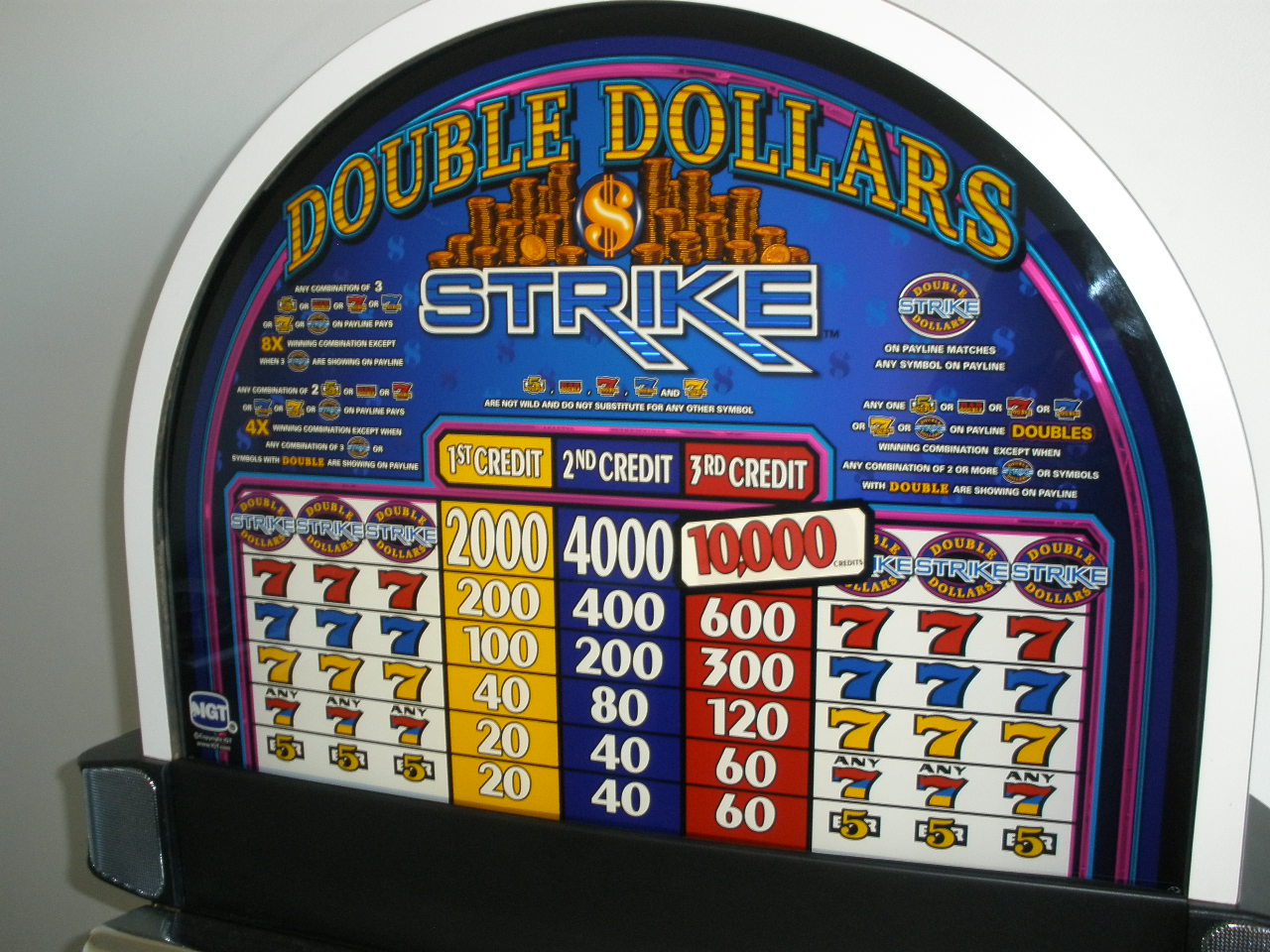
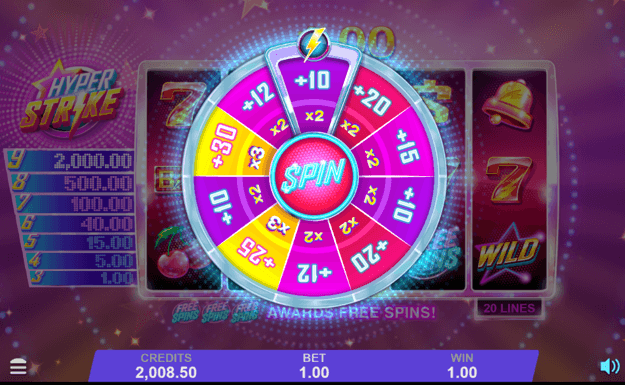
Situated against the deliberate, therapeutic space of acupuncture is the vibrant online world of online slots. Games like “Coin Strike” are a widespread form of online entertainment. These are casino-style games created for entertainment, often themed around treasures like rare metals or gems. The “Coin Strike” theme includes striking coins to reveal potential wins. It’s crucial to be clear about what this is: a game of chance. Its single purpose is recreational play within UK-licensed online casinos. The games use Random Number Generator (RNG) software to guarantee fair and unpredictable results. Their appeal comes from immersive graphics, engaging sounds, and special features like bonus rounds or “hold and win” mechanics that offer bursts of excitement. Understanding this as pure leisure, wholly apart from therapy or a way to make money, is the basis for a healthy approach to such entertainment.
Mechanics and Concepts of Slot Games
Games like Coin Strike function on a straightforward core loop. You place a bet, spin the reels, and hope for matching symbols on active paylines. The “Coin Strike” or “hold and win” feature is a frequent bonus. Special symbols land and lock in place, triggering a set of respins with the possibility for bigger payouts. The theme itself—glittering, loud, and focused on instant wealth—is a significant part of the draw. But it’s all simulation. It’s a digital pastime with no physical health outcome, which represents the fundamental difference from the biologically interactive process of acupuncture. Preserving this clear separation stops the dangerous mixing of entertainment with therapeutic hope or financial planning.
Why the Conflation of Treatment and Entertainment Occurs
What causes terms like “acupuncture treatment” and “Coin Strike slot” to be grouped together? This frequently begins with internet searches and online advertising. Someone looking for ways to relax or escape might search broadly, from stress-relief therapies to engaging games. Algorithms and advertising platforms then obscure the distinctions, offering entirely unrelated services under shared umbrella terms such as “alternative medicine” or “stress relief.” This merging is a problem. It can make serious medical therapies seem trivial, and it can attach false therapeutic promise to entertainment products. For UK residents, developing robust digital literacy is essential. You need to discern the purpose and regulatory status of anything you find online. Health choices ought to rely on data from accredited organizations such as the BAcC or the NHS, rather than from an advertisement beside a game.
Navigating Regulation: Acupuncture vs. Online Gaming in the UK
The UK has developed different regulatory frameworks for acupuncture and online gaming, each aimed to protect the public in its own way. Acupuncture isn’t controlled by statute like medicine, but the profession maintains high standards through voluntary regulation. Groups like the BAcC hold accredited registers endorsed by the Professional Standards Authority, providing a trusted kitemark for consumers. Online gaming, including slots, faces strict statutory control. The UK Gambling Commission (UKGC) regulates the industry under the Gambling Act 2005. Every operator must have a UKGC licence. They must carry out rigorous age verification, supply tools for deposit limits and self-exclusion, and verify all games are fair. Both systems strive for consumer safety, but from different perspectives: one safeguards treatment integrity, the other works to prevent gambling harm.
- Acupuncture Regulation: Directed by professional bodies like the BAcC; focuses on training standards, hygiene, and ethical practice.
- Online Gaming Regulation: Applied by the statutory UK Gambling Commission; centers on licensing, fair play, and responsible gambling safeguards.
- Common Goal: Consumer protection, though through fundamentally different mechanisms fitting to each field’s risks.
Making Informed Choices for Well-being and Entertainment
The best approach to both health and leisure is a conscious one. If you’re exploring acupuncture, make an educated choice. Review the practitioner’s credentials to make sure they’re on a recognised professional register. Engage in a clear conversation about what the treatment aims to achieve and the evidence behind it. See it as one part of a broader health strategy. If you decide to engage with online slot games, your informed choice means recognizing it for what it is: a paid leisure activity where you may lose money. Set strict budgets for time and spending before you start. Employ the responsible gambling tools the operators offer, and never pursue losses. Most importantly, don’t blur these spheres. Entertainment is no substitute for healthcare, and you ought not look for healthcare on an entertainment platform. Preserving that boundary firm safeguards both your physical well-being and your financial health.
FAQ
Is acupuncture offered on the NHS in the UK?
Indeed, in some areas. The NHS may offer acupuncture, mainly for chronic pain such as lower back pain and migraines, in line with NICE recommendations. Access depends on your local Clinical Commissioning Group (CCG) and demands a GP referral. Since availability can be inconsistent, many people opt to see a private acupuncturist registered with the BAcC for a wider range of conditions.
What should I consider when choosing an acupuncturist?
Make sure to select a practitioner registered with a professional body. The British Acupuncture Council (BAcC) and the Acupuncture Association of Chartered Physiotherapists (AACP) are the primary ones. These registers guarantee the practitioner has met high standards for training, safety, and professional conduct. You can conveniently check a practitioner’s status on the organisation’s website before booking.
Are online slots like Coin Strike legal in the UK?
Yes, they are legal if you are over 18 and use a website licensed by the UK Gambling Commission (UKGC). It is illegal to play on unlicensed offshore sites. Any legitimate operator will feature the UKGC logo prominently at the bottom of their homepage.
In what ways can I play online slots responsibly?
Gamble wisely by establishing deposit caps upfront. Pick a particular leisure spending limit you can handle losing, and stick to it. Avoid attempting to recover lost funds. Utilize the resources regulated operators offer, like playtime alerts and self-exclusion options. View it as purchasing amusement, comparable to a theater ticket, rather than a method to earn money.
Does acupuncture aid in managing stress and anxiety?
Many patients report feeling less stressed and anxious after acupuncture. The procedure appears to foster relaxation through nervous system effects and encouraging the release of endorphins. Though it’s a widely used supplementary choice for these problems, it works best as part of a wider plan that may involve counseling and lifestyle changes.
What distinguishes a therapy from a game such as a slot?
The distinction lies in intent and outcome. A treatment such as acupuncture is a purposeful medical procedure administered by a qualified expert, seeking a defined therapeutic effect validated by data. A slot machine is regulated amusement founded on luck. It’s crafted for brief involvement where you wager funds, and it offers no health benefits. Blurring the lines between them can cause unwise decisions and likely injury.